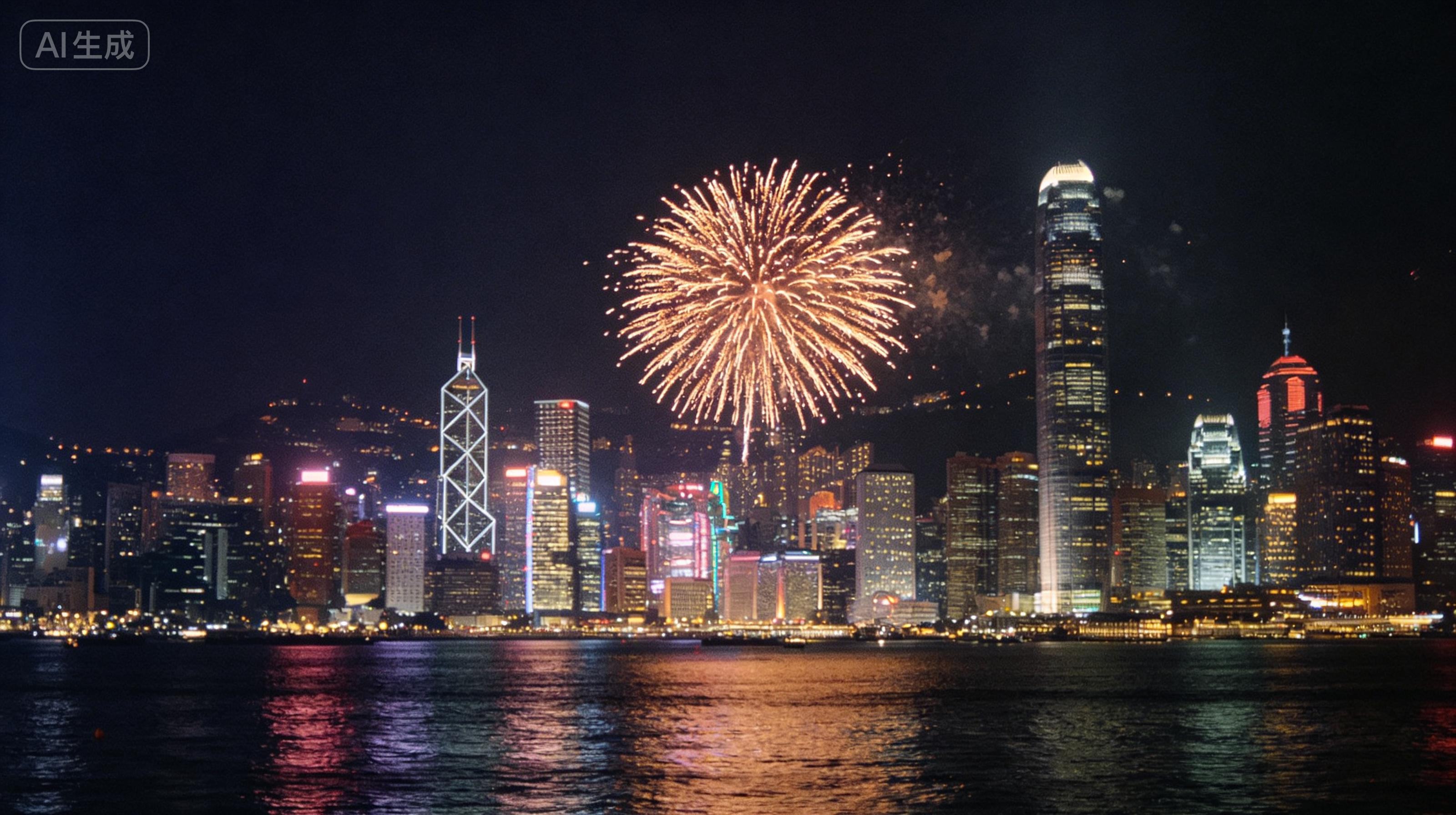
How to create a short-drama video with Jimeng's Short Drama Studio?
Jimeng (jimeng.jianying.com) is a ByteDance AI creation platform. Its Jimeng Short Drama Studio splits creation into three steps: describe your story in natural language, the AI writes a script, extracts characters and scenes as assets, and generates video storyboards for each episode.
This note walks through a complete project — Tales of Two Cities — from a one-sentence prompt to publishable videos: script locked, 7 characters, 26 scenes, all 10 episodes generated. You can watch them on Howard's profile on Hongguo. Please register your Hongguo account with a mainland China phone number, because I found out after signing up that a Hong Kong phone number has restrictions.
The three steps
The left sidebar of Short Drama Studio has three tabs, matching the three stages of creation. Output from each step automatically feeds the next one, and you can go back at any time.
- Script — The AI understands your story and produces an episode outline plus a detailed script for each episode.
- Asset library — Characters and scenes are automatically extracted from the script and rendered as AI images. You confirm and lock them.
- Storyboard video — Generate each episode one by one, or click "Batch" to generate all at once.
Step 1: Generate the script
Open the Short Drama Studio (jimeng.jianying.com/ai-tool/novel). The main area says "Chat with the Short Drama Agent about your creative idea". You can describe your story in natural language, or upload a .txt script file directly.
Here is the one-line opening of Tales of Two Cities:
A man and a woman, both mainland Chinese, meet on the first day of an MSc Marketing class at a Hong Kong university. He is from Shantou, she from Chaozhou — both speak Chaoshan dialect at home. They become a couple. After graduation they struggle to decide whether to return to mainland China or stay in Hong Kong.Here is a more complete prompt template you can adapt:
Please help me create a short drama:

[Story basics]
- Core setting: (your story)
- Theme: romantic / urban drama / suspense
- Ending: happy / sad / open

[Style]
- Visual style: photorealistic / anime / Hong Kong film
- Mood: warm / tense

[Technical specs]
- Episodes: 10
- Per-episode length: about 1 minute
- Aspect ratio: 9:16 (vertical short drama standard)

Generate in this order: story setting → episode outline → full script per episode.
The Jimeng agent's reply
Got it! Here is the plan:

[Story setting]
• Genre: urban romance
• Style: photorealistic contemporary romance
• Aspect ratio: 9:16

[Episode outline · 10 episodes]
1. Seats next to each other — first meeting
2. Group project — getting close
3. Confession — becoming a couple
4. Sweet days in Hong Kong — montage
5. Post-graduation crossroads — reality hits
6. Two job offers — dilemma
7. Long-distance start — hanging on
8. Stormy days — falling apart
9. Turning point — both moving toward each other
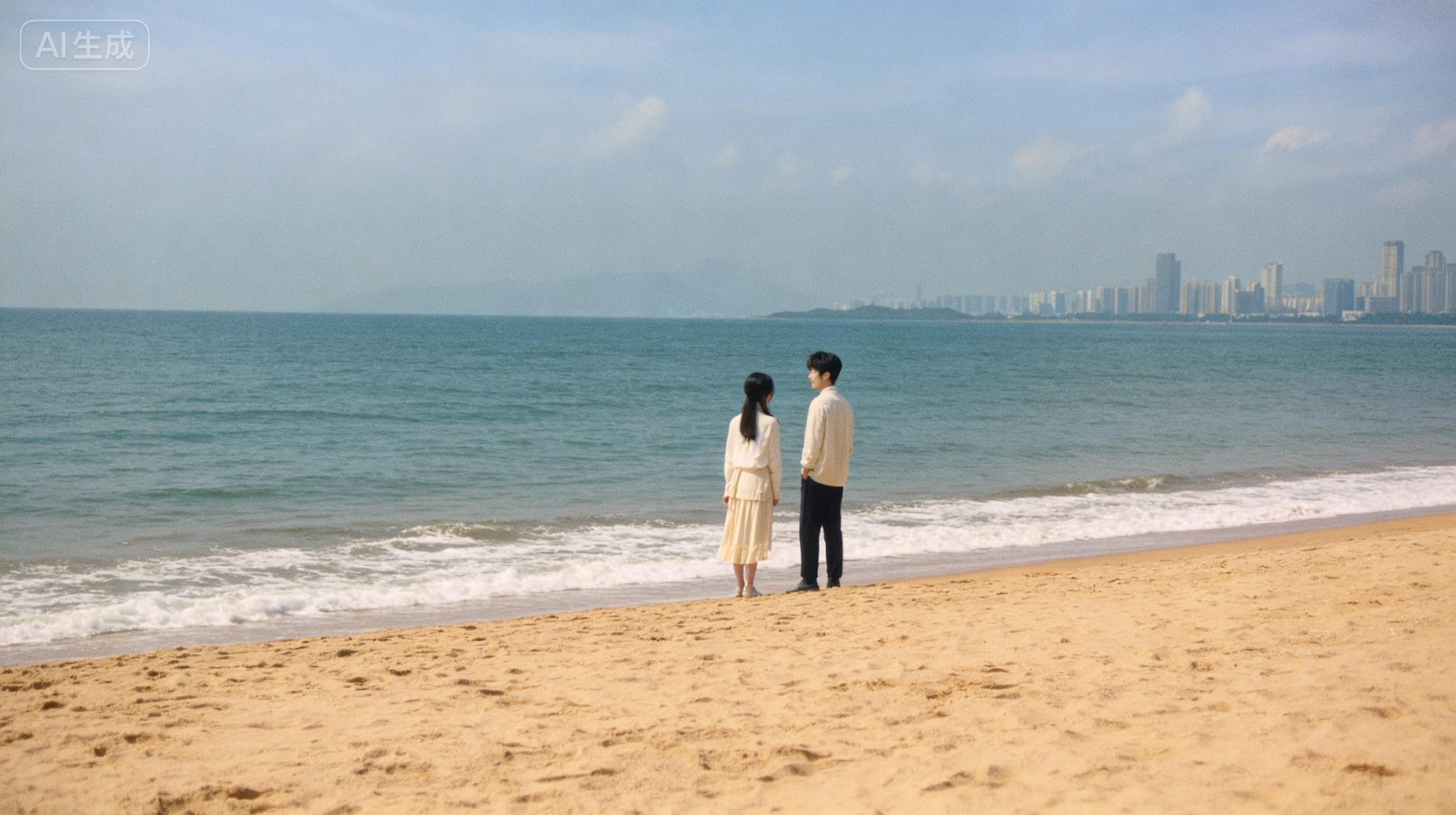
10. By the same sea — reunion

Shall I generate the full script for each episode?
Reply "Yes, continue" and Jimeng generates the full script at once. A banner appears at the top of the Script tab: "Assets extracted — script is now locked and cannot be edited". Character and scene libraries fill in automatically.
⚠️ One important gotcha: Once extracted, Jimeng won't let you edit the script. If you want to change any episode, start a new project and upload the revised script as a .txt file. So get the tone, ending, and setting right the first time.
Episode 1 script example
Here is the full script of Episode 1 ("Seats Next to Each Other") from Tales of Two Cities. It shows the format Jimeng produces: scene framing + shot type + camera direction + character action + dialogue + voiceover.
Episode 1: Seats Next to Each Other

Scene 1 — Classroom · Day · Medium shot
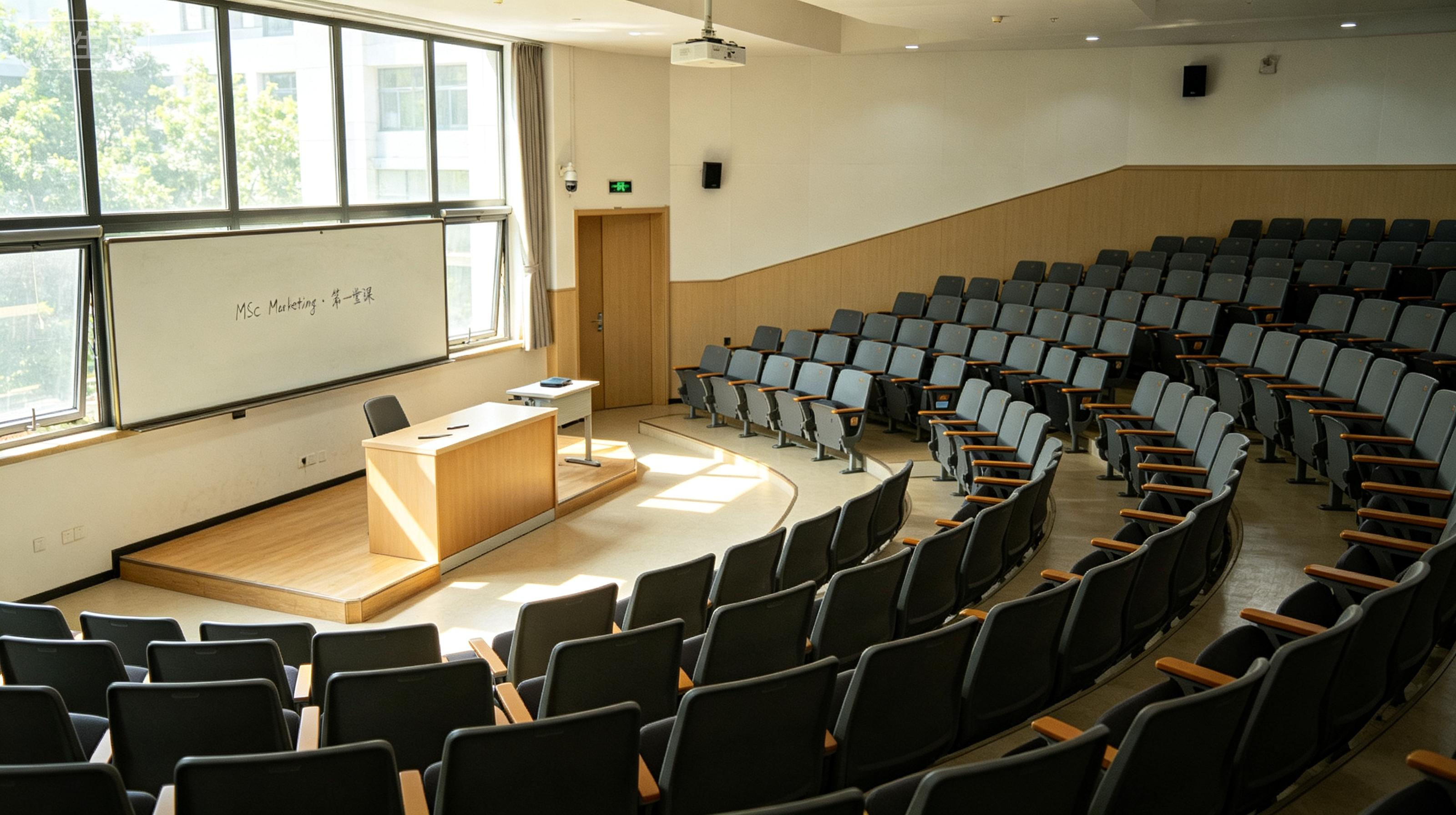
City University of Hong Kong campus. Sunlight streams through floor-to-ceiling windows into a tiered lecture hall.
Students filter in. White chalkboard reads "MSc Marketing · First Class".
[Camera: push in, slowly focusing on a boy beside the last empty seat in the back row]
Lin Zhe (25, lean, black-rimmed glasses, white T-shirt, Shantou) flips through handouts alone.
[Camera: pan] Su Xiao (24, long wavy hair, beige knitwear, Chaozhou) walks in carrying materials, scans the room, and walks straight to the only empty seat next to Lin Zhe.

Scene 2 — Break · Corridor · Close-up
Class ends. Students pour out of the classroom.
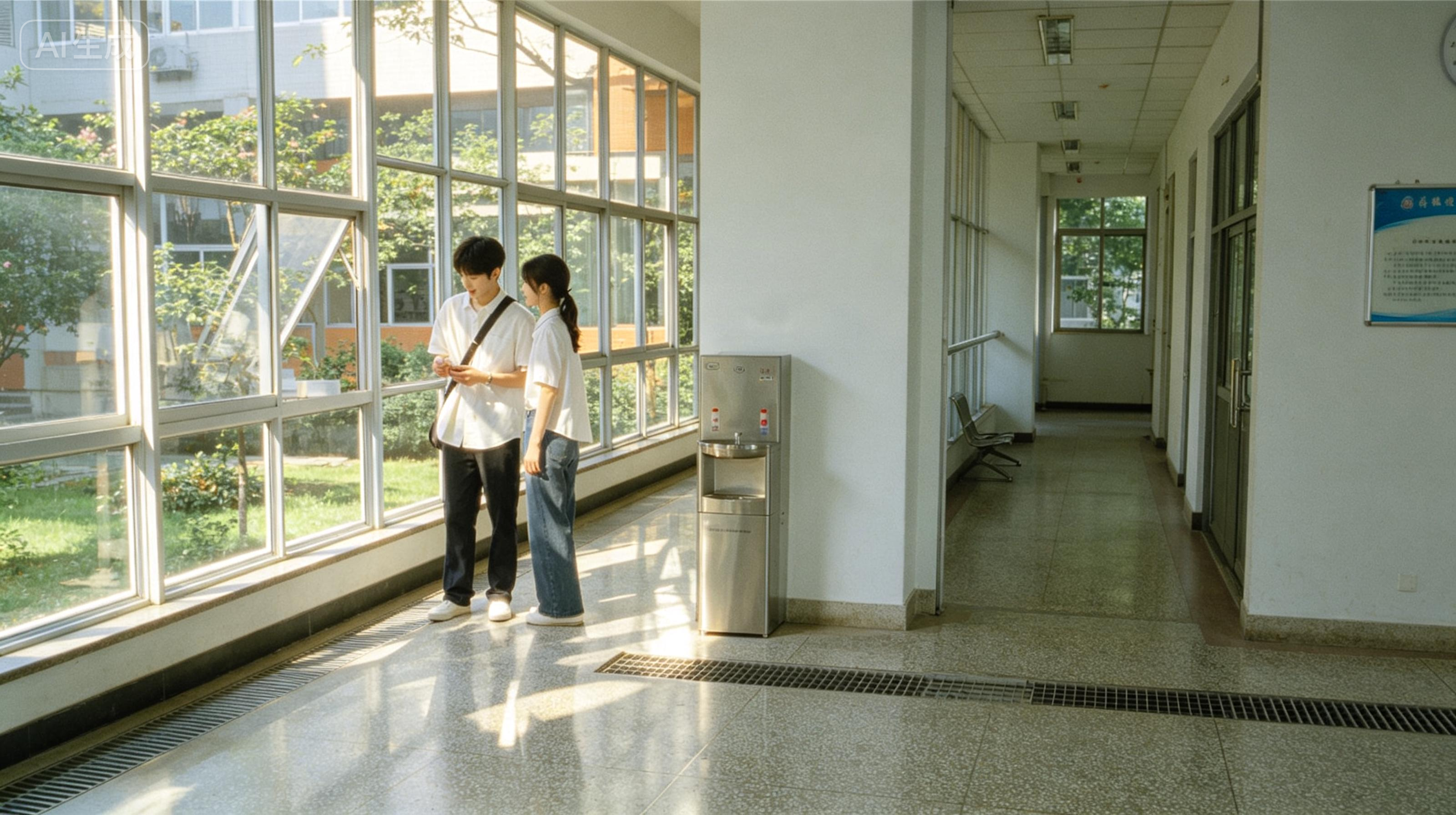
Lin Zhe and Su Xiao get water at a corridor fountain.
Su Xiao drops her notebook. Lin Zhe bends down to pick it up.

Lin Zhe: (smiling) Are you in this project group too?
Su Xiao: Yeah, you too. Wait — your accent sounds familiar … Chaoshan?
Lin Zhe: (eyes light up) Shantou! You?
Su Xiao: (smiling with dimples) Chaozhou! Mom speaks Chaoshan dialect at home every day.
Lin Zhe: (surprised) Dad too! So rare to meet a fellow Chaoshan person in Hong Kong.

[Close-up: they smile at each other as sunlight lands on their shoulders, slow-motion freeze for 2 seconds]

Voiceover (gentle female voice)
Some connections start quietly — in an instant you never saw coming.
Step 2: Build the asset library
After extraction, Jimeng pulls every character and scene from the script and renders AI concept images. Here are the numbers for Tales of Two Cities:
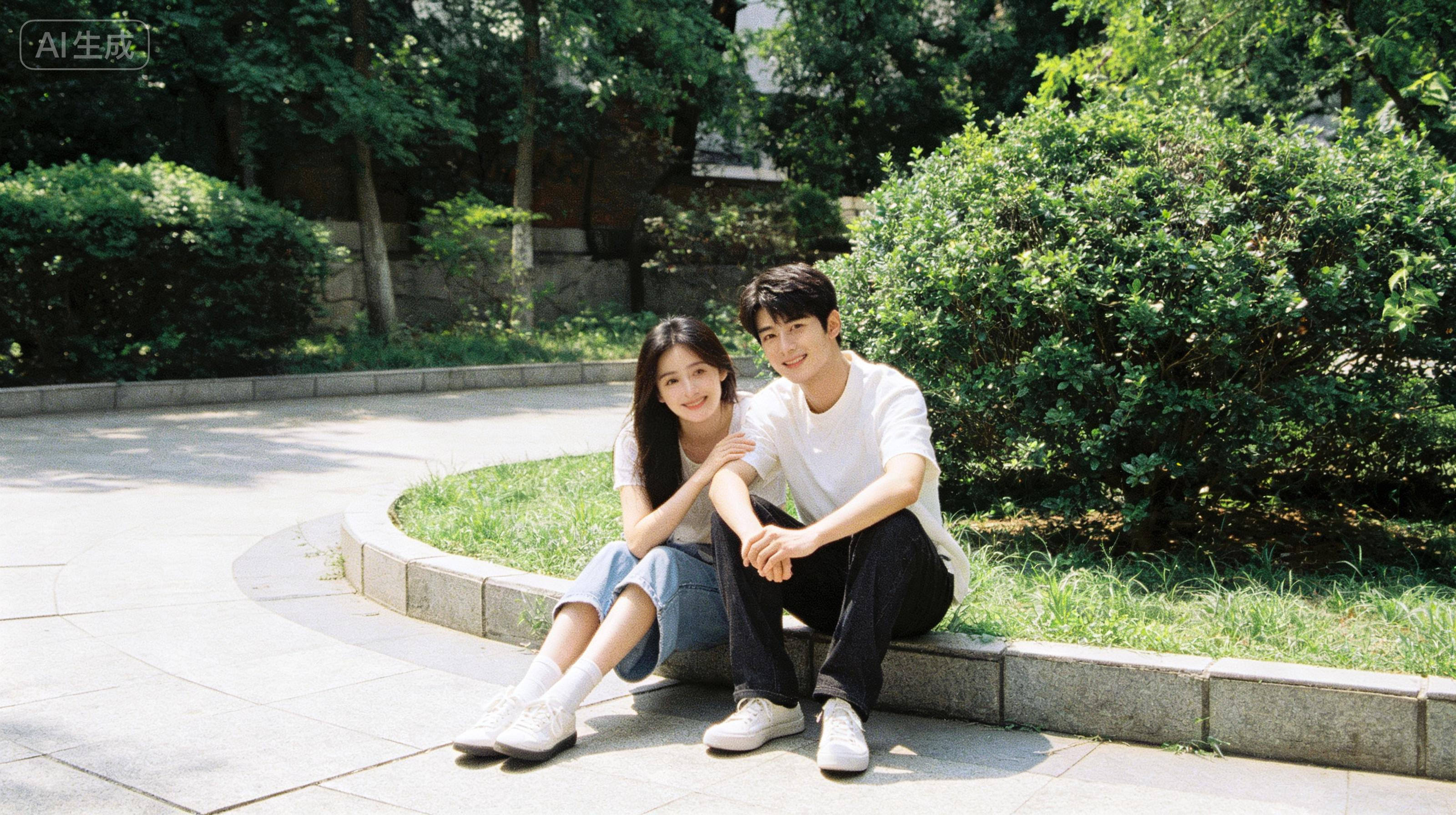
- Characters — 7, including the two leads, a professor, and classmates (full design sheets in the appendix)
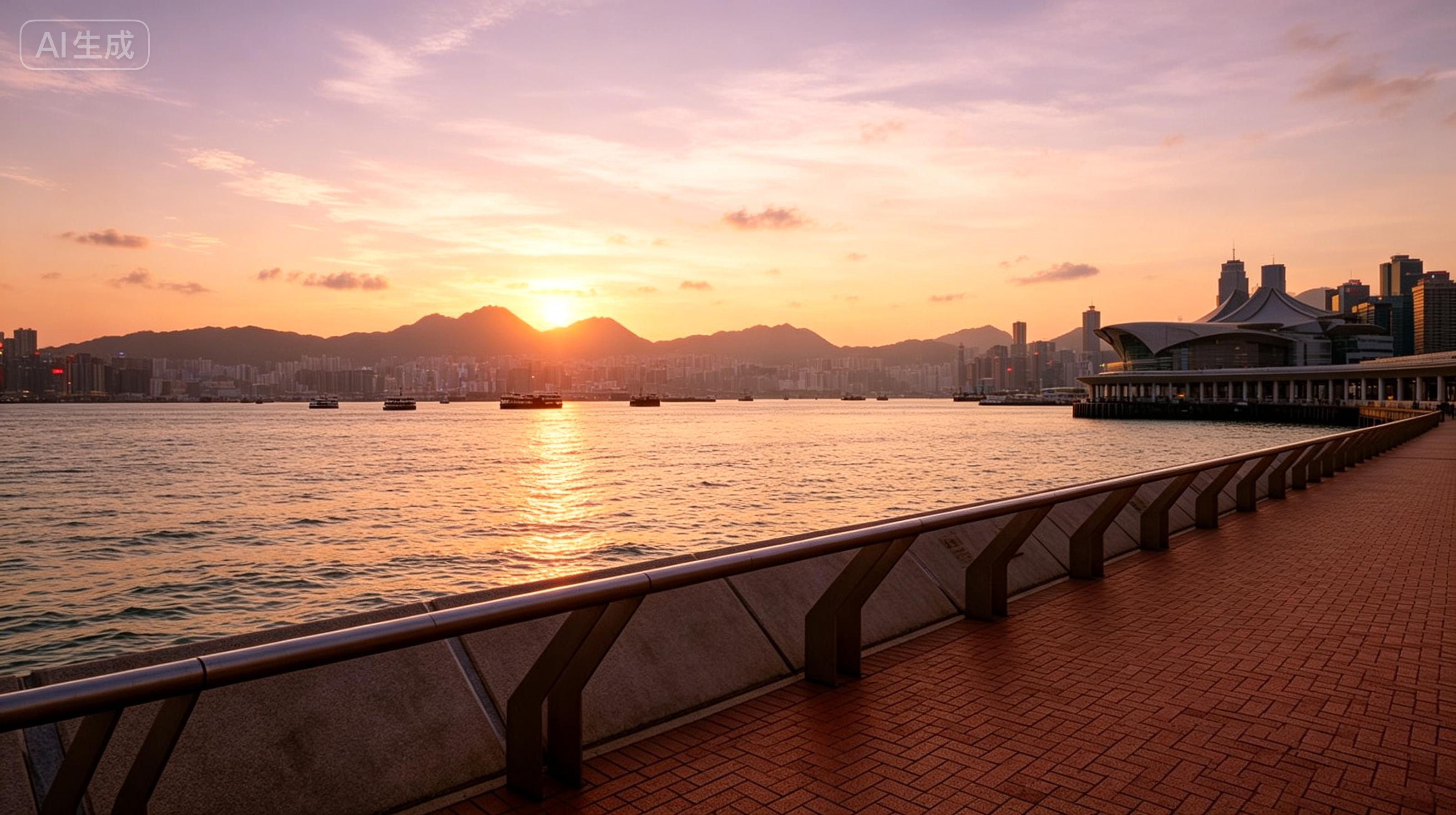
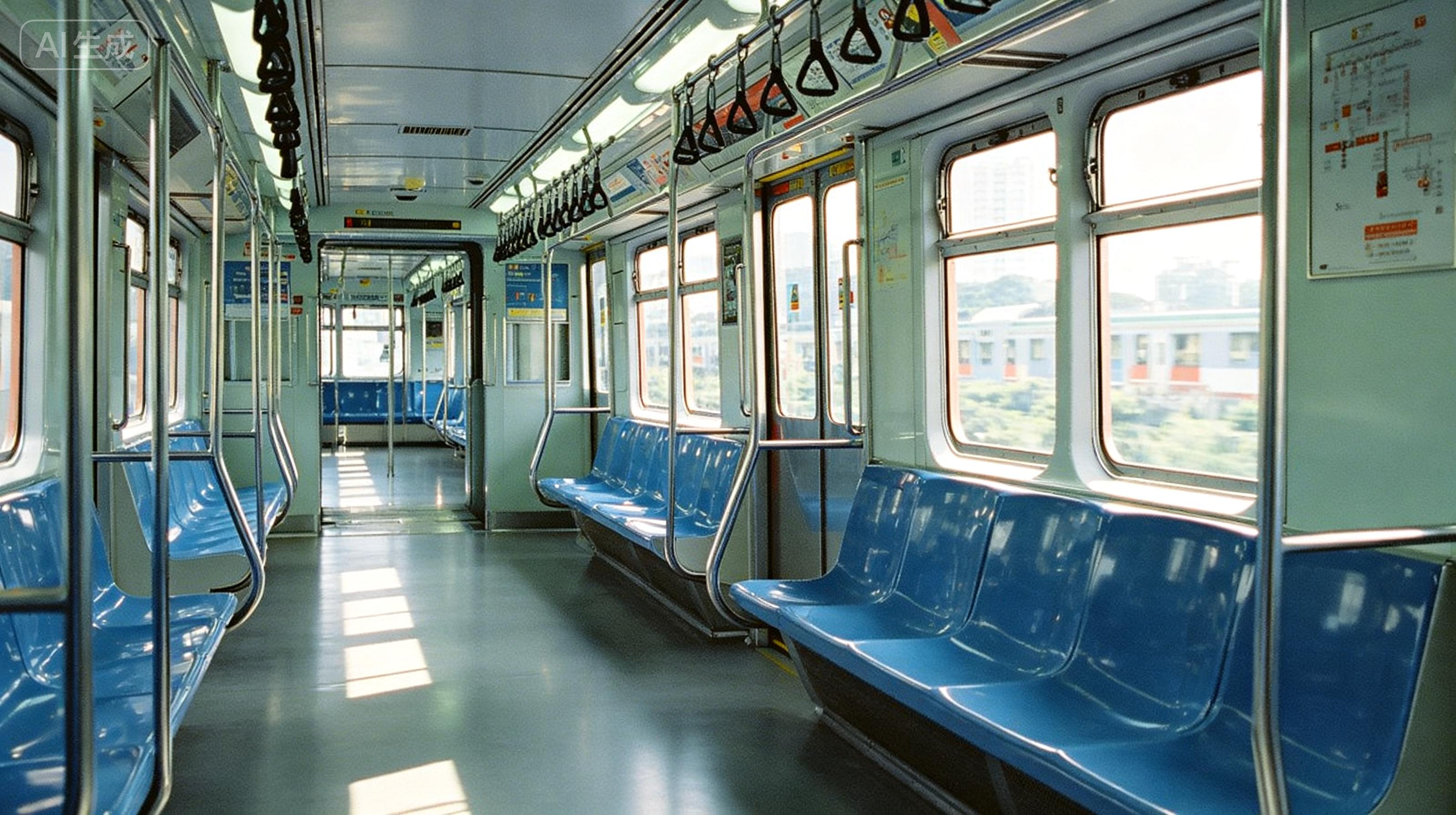
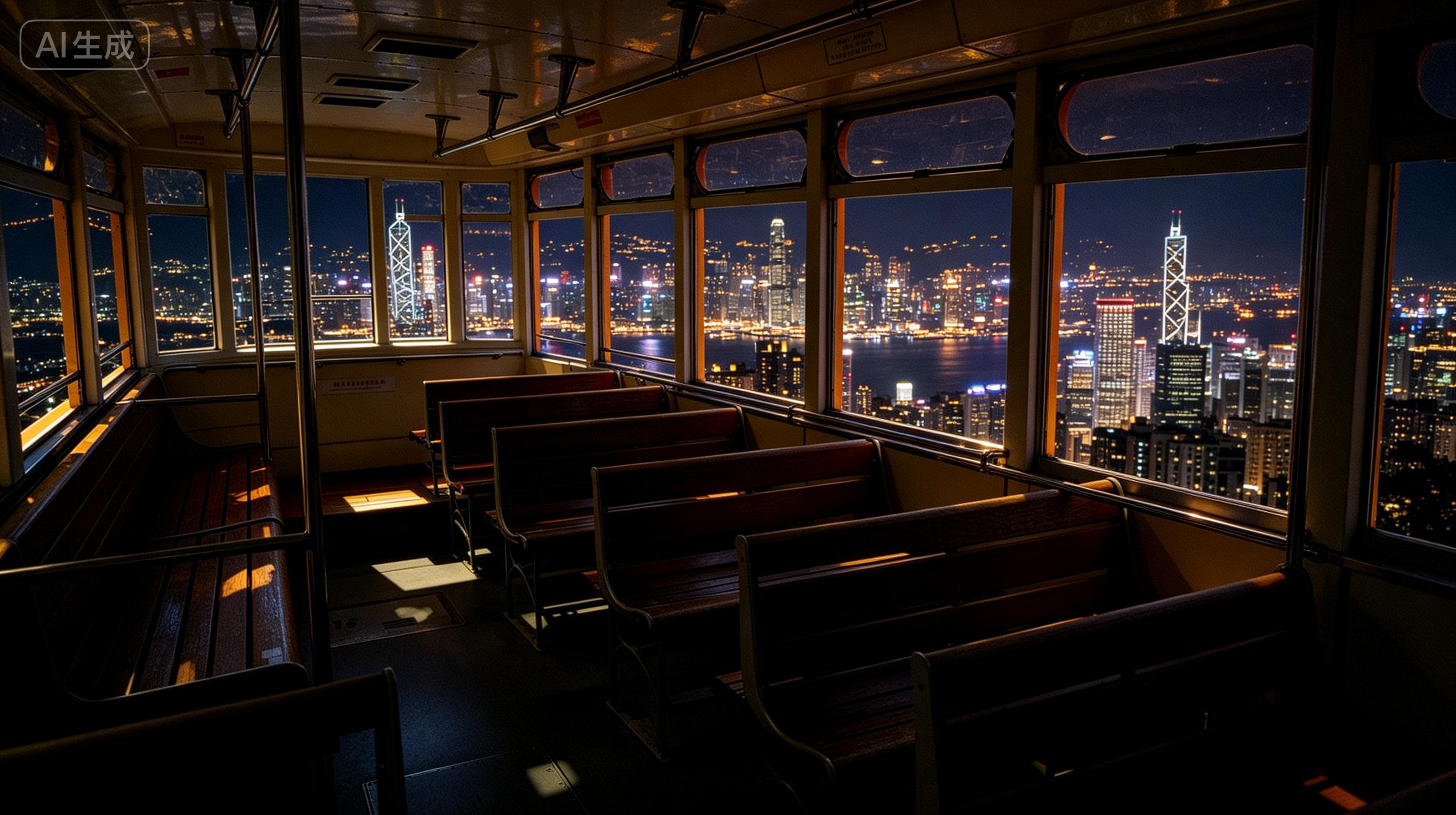
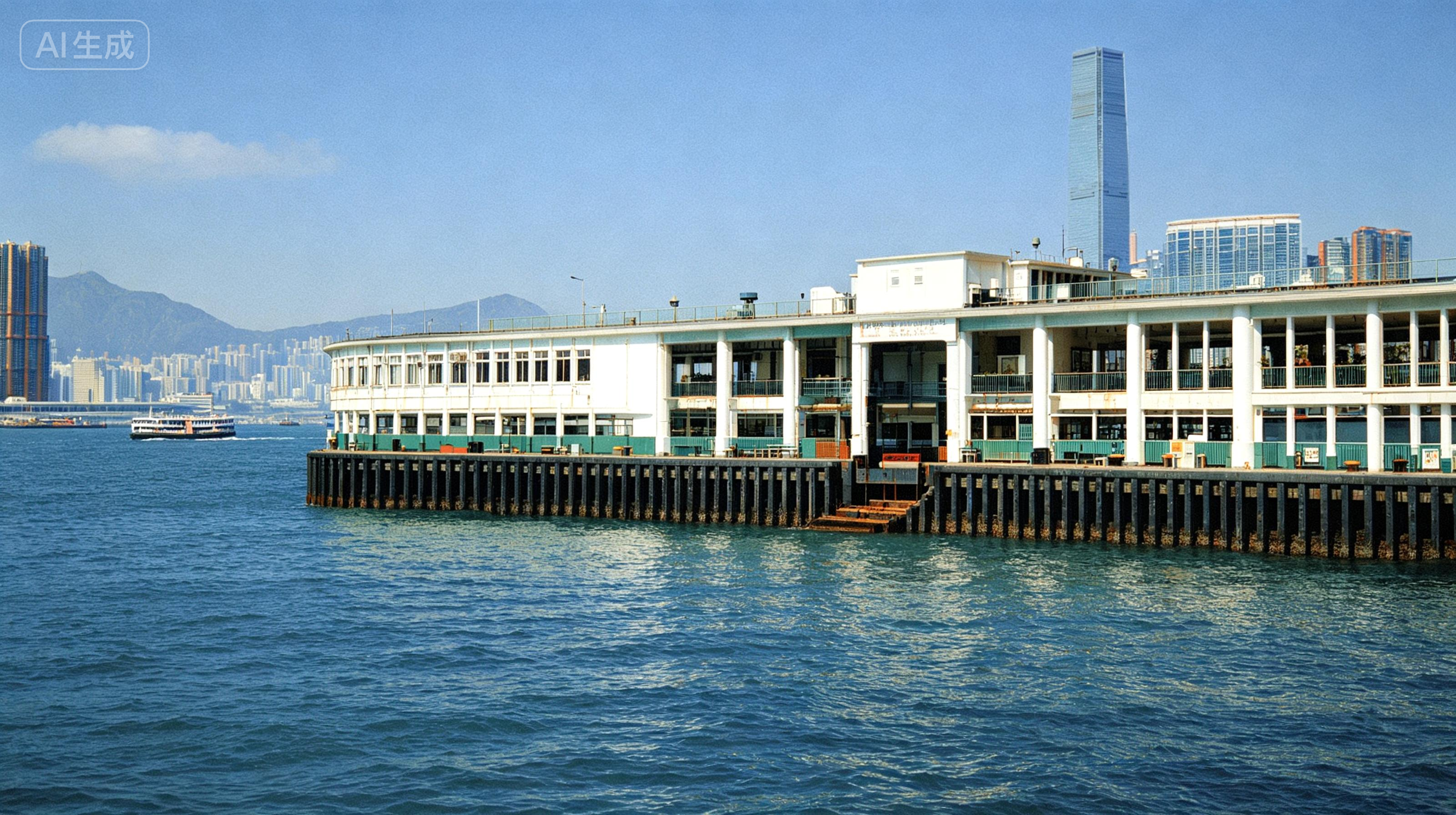
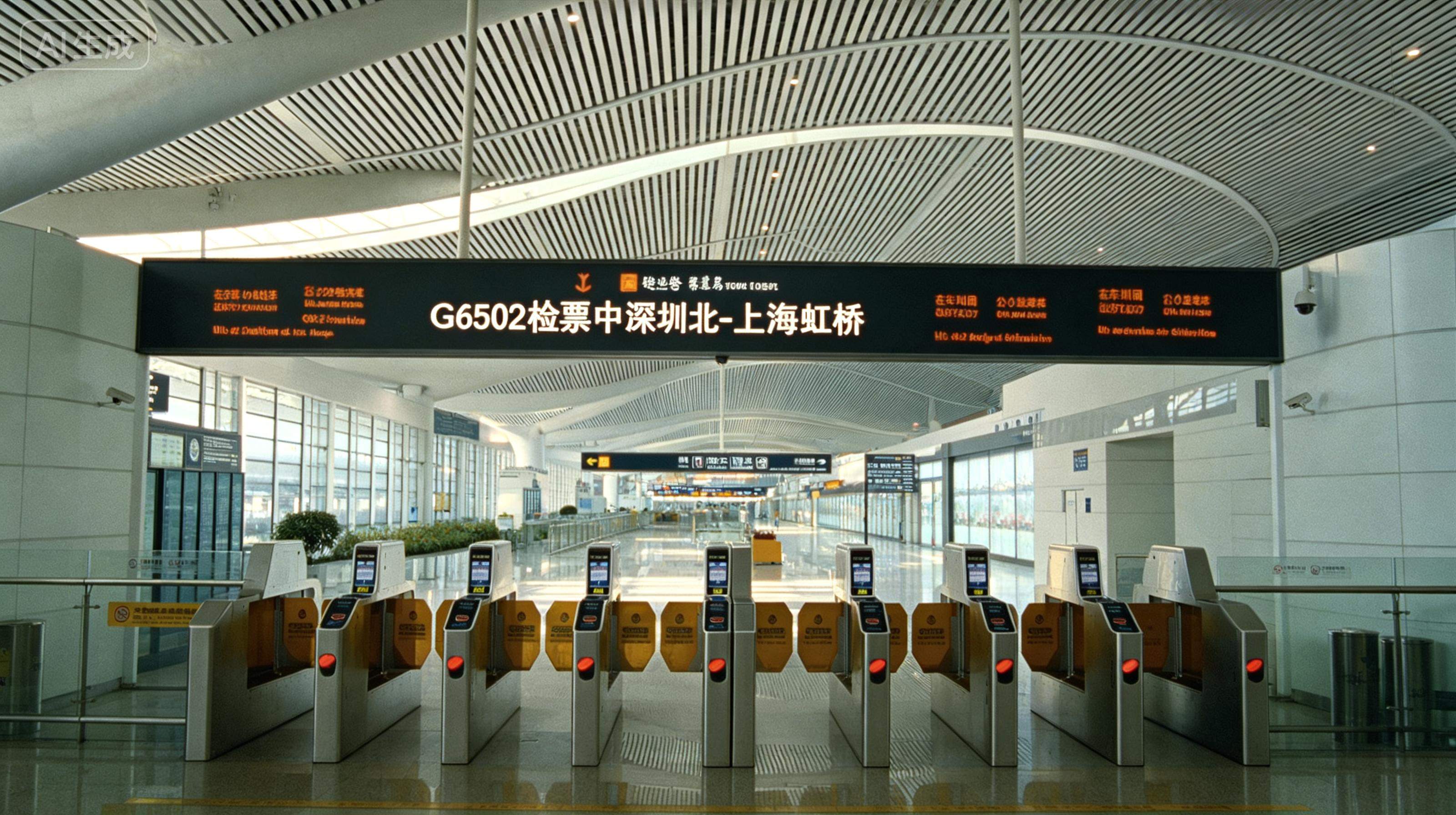
- Scenes — 26, including classroom, Tsim Sha Tsui, Shenzhen apartment, Shanghai rental (character and scene design sheets in the appendix)
- Video clips — 90
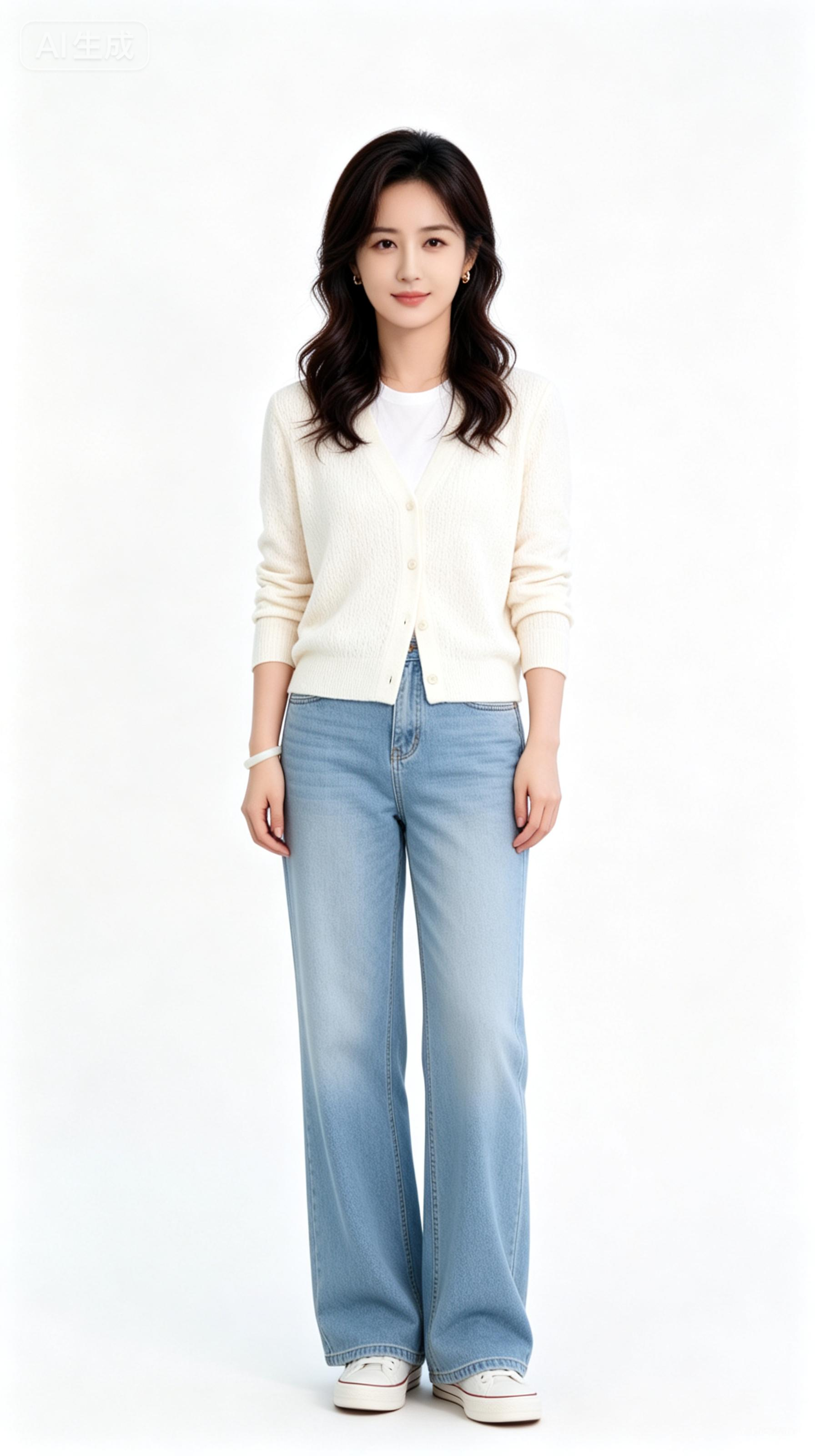
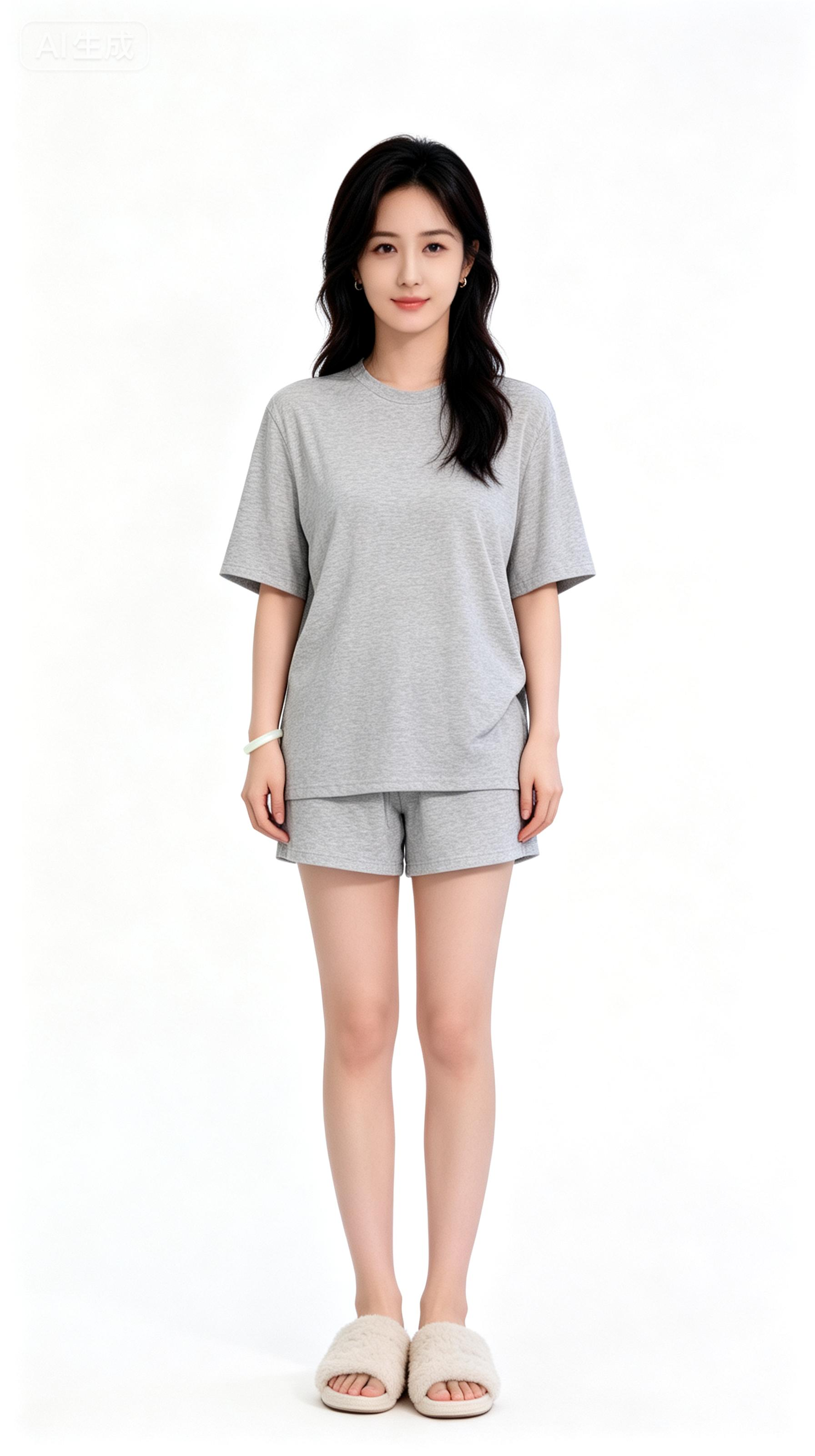
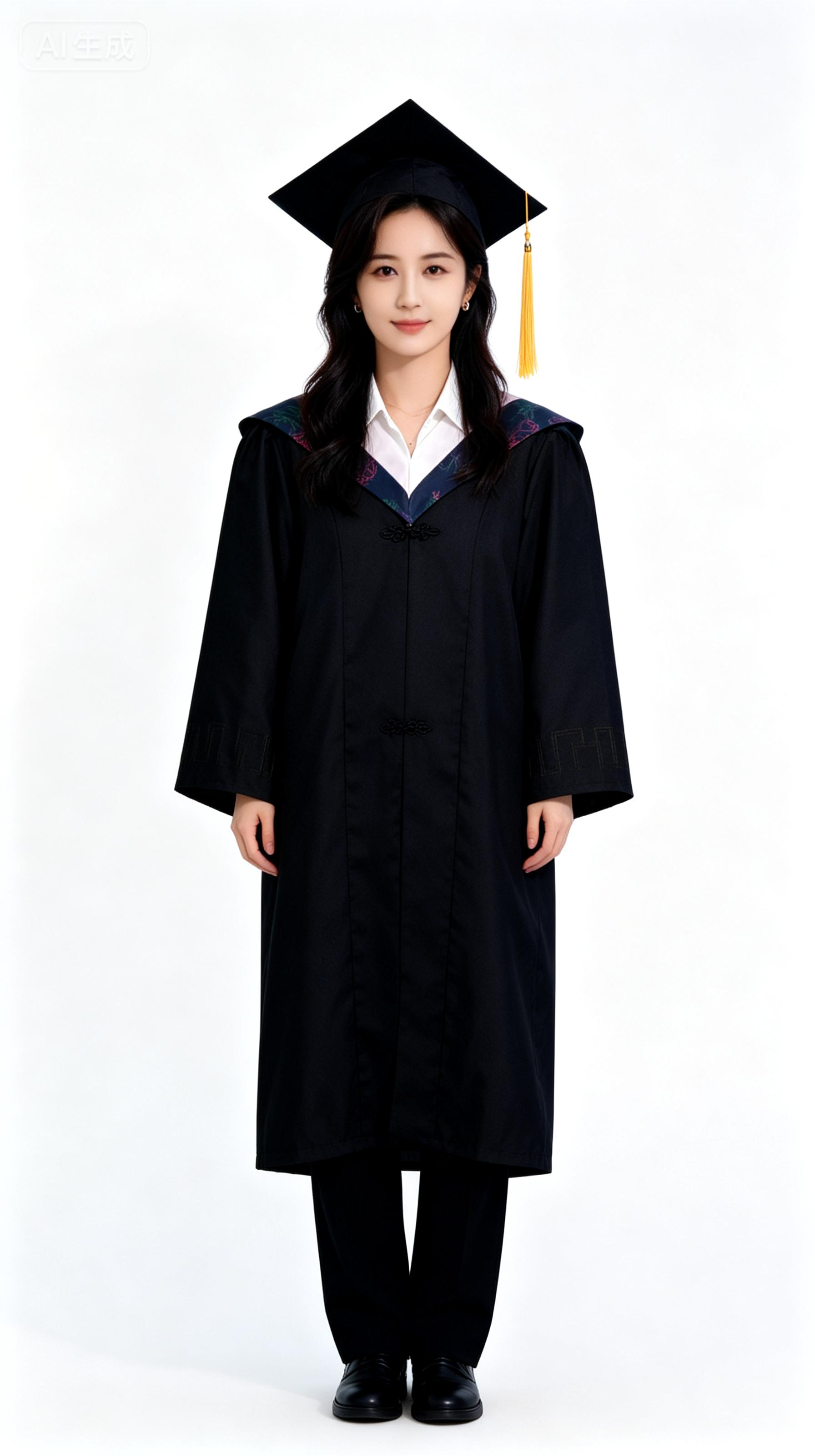
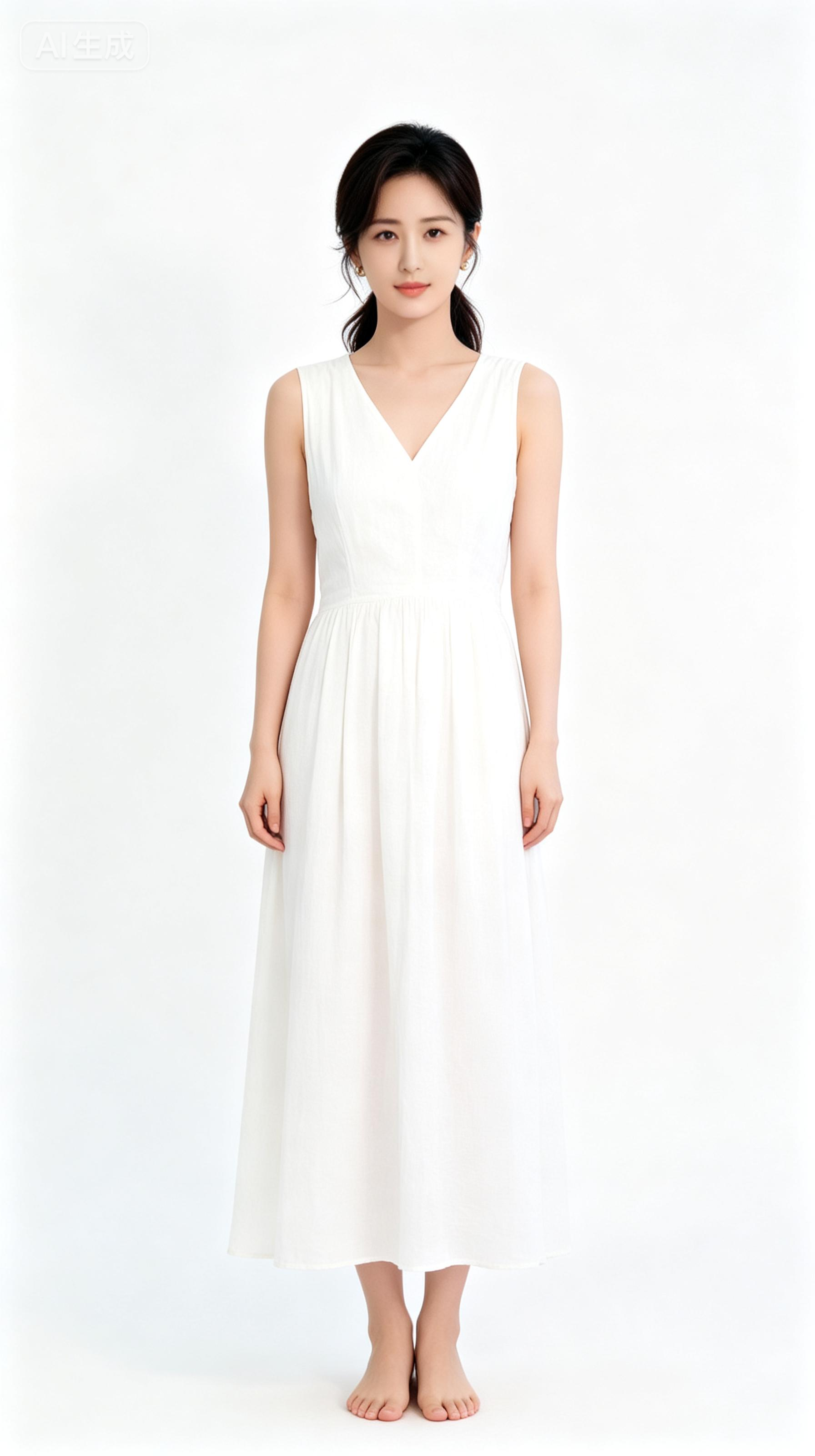
This is where visual consistency lives. If your character description is vague, the AI will draw a different face every time. This is how the leads were written:
Lin Zhe: 25, lean, black-rim glasses, short black hair,
    studious look, wears plain white T-shirts.
Su Xiao: 24, long wavy hair, oval face, dimpled smile,
    elegant, wears beige knitwear.
Age + three visible features + one signature clothing item. That is the minimum Jimeng needs to reproduce the same character consistently. Don't write "young handsome guy" — you'll get a different face every shot.
Step 3: Generate storyboard videos
Open the Storyboard Video tab. Each episode has a card with the title, the video length generated, and a "Characters · Scenes" count. Click Generate — about 1–2 minutes per episode. Or click Batch to generate all ten at once.
Generation state for Tales of Two Cities
- EP 01 · Seats Next to Each Other — 00:37
- EP 02 · Group Project Chemistry — 00:28
- EP 03 · The Confession — 00:24
- EP 04 · Sweet Days — 00:35
- EP 05 · Crossroads — 00:32
- EP 06 · Two Offers — 00:30
- EP 07 · Long Distance — 00:34
- EP 08 · Stormy Days — 00:29
- EP 09 · The Turn — 00:36
- EP 10 · The Same Sea — 00:38
About the 15-second cap
Each Jimeng storyboard clip is about 15 seconds. A 1-minute episode script needs to be split into about 4 clips, generated one by one, then stitched together. Actual clip duration usually runs 24–37 seconds, but scripts are truncated to what the model allows.
Project overview
Jimeng's top banner shows the project info and your membership status. Tales of Two Cities:
- Project name — Tales of Two Cities
- Style — photorealistic contemporary romance
- Aspect ratio — 9:16 vertical
- Progress — all 10 / 10 episodes storyboarded
- Membership — Standard (1,903 credits)
The current plan is Standard Membership · Quarterly, priced at ¥568 / quarter — about ¥190 / month, which is ¥49 cheaper than paying monthly. You receive 2,210 credits per month (¥1 = 12 credits).
Making the Tales of Two Cities short drama described in this note used 1,993 credits in total — 1,993 credits / 12 credits = ¥166.
Limitations
- Each storyboard clip is about 15 seconds. A 1-minute episode script needs to be split into about 4 clips, generated one by one, then stitched together.
- Scripts are locked after extraction, but storyboards can be regenerated. Once "assets extracted", Jimeng won't let you edit script details — start a new project. However, you can ask the AI to regenerate any episode to fix errors or adjust voiceover speed, without starting over.
- Character consistency depends on description quality. Vague descriptions produce different faces in each shot.
- A Hongguo account registered with a Hong Kong phone number cannot view all episodes of another account. Such an account can neither follow another Hongguo account nor watch all of its episodes. I ended up registering a new Hongguo account with a mainland China phone number to follow the account and watch all 10 episodes.
Further reading
- Jimeng · Short Drama Studio — open and start creating.
- How to make text-to-video with Google Flow? — a different AI video tool that generates 30-second ad-grade videos in one go.
- How to turn text into video with Seedance 2.5 (version 1)? — the six-part prompt formula for the Seedance model behind Jimeng.
- How to make long videos with Seedance 2.5 (version 2)? — the phase-splitting method for longer Seedance videos.
- How to stitch video to video with Seedance 2.5 (version 3)? — extend and stitch from existing clips into a continuous journey.
Appendix · Character design sheets
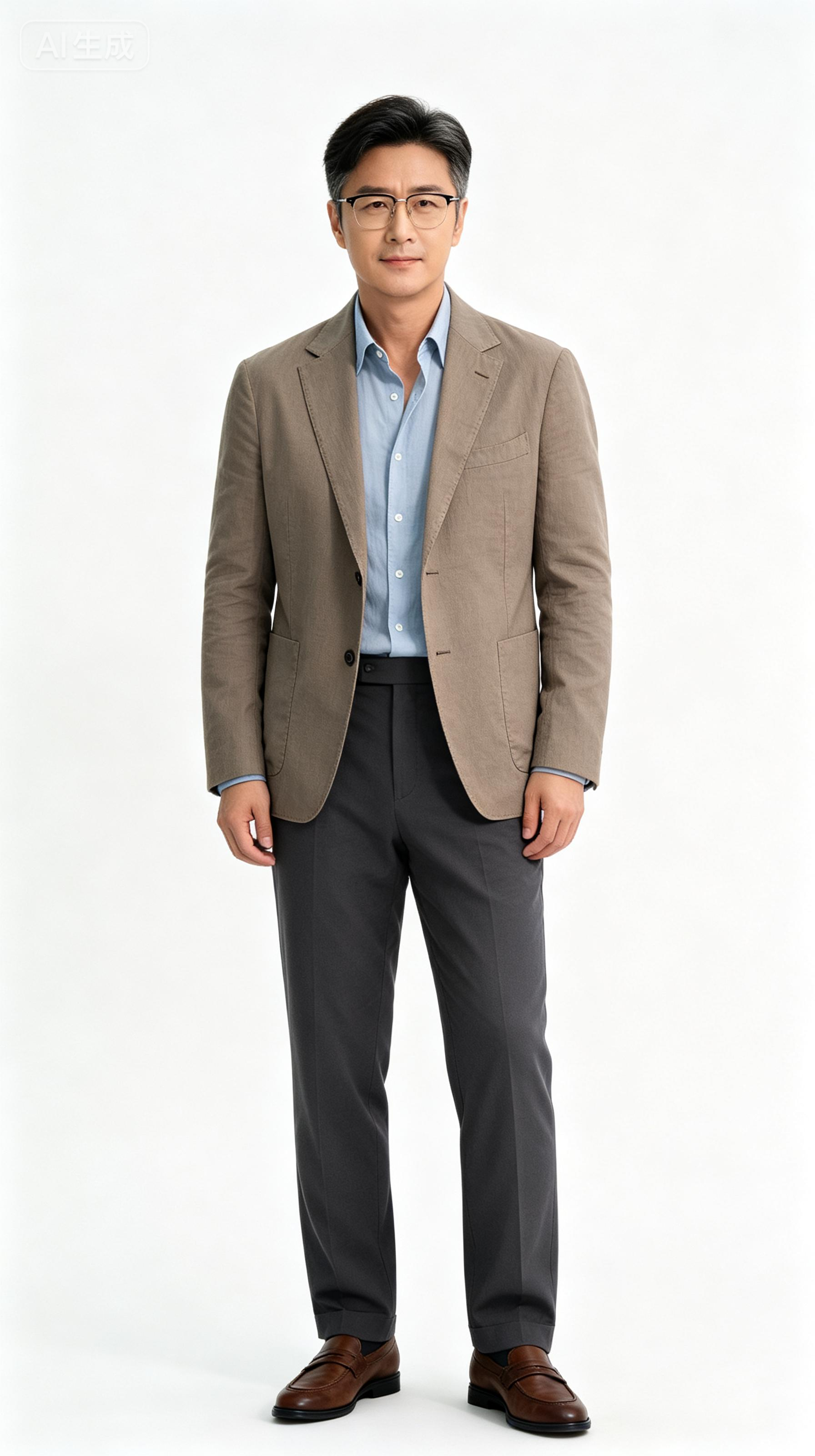
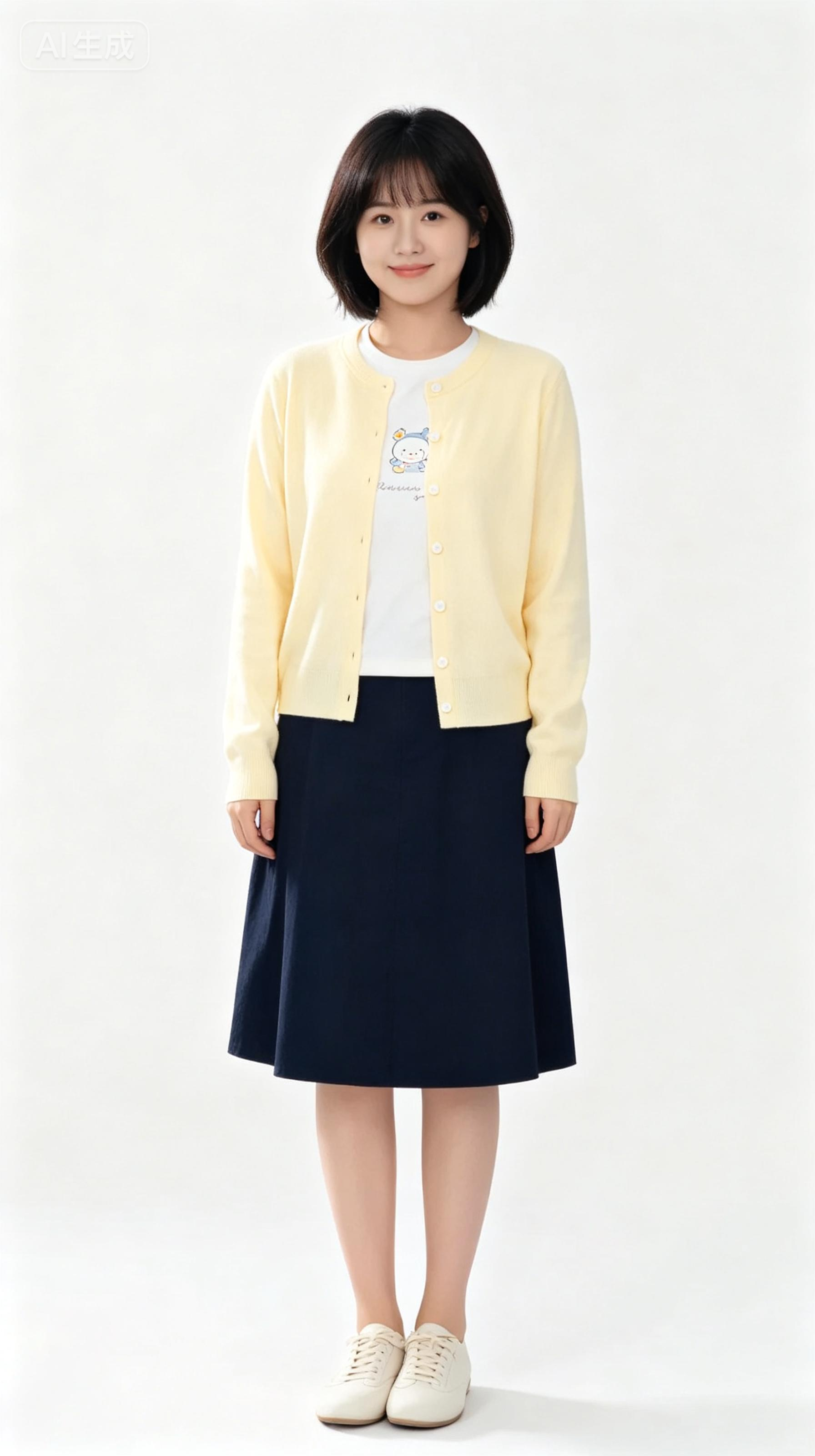
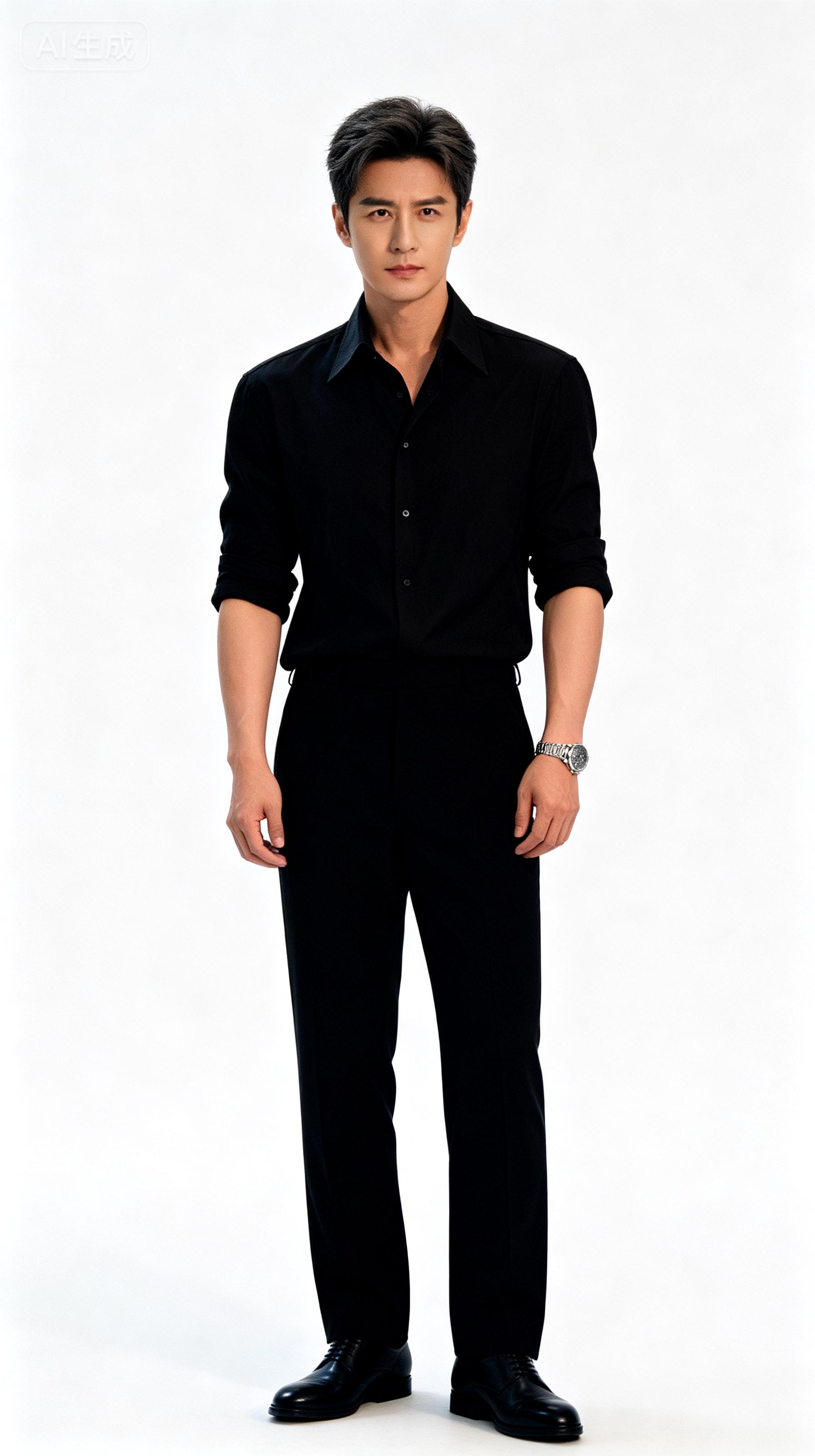
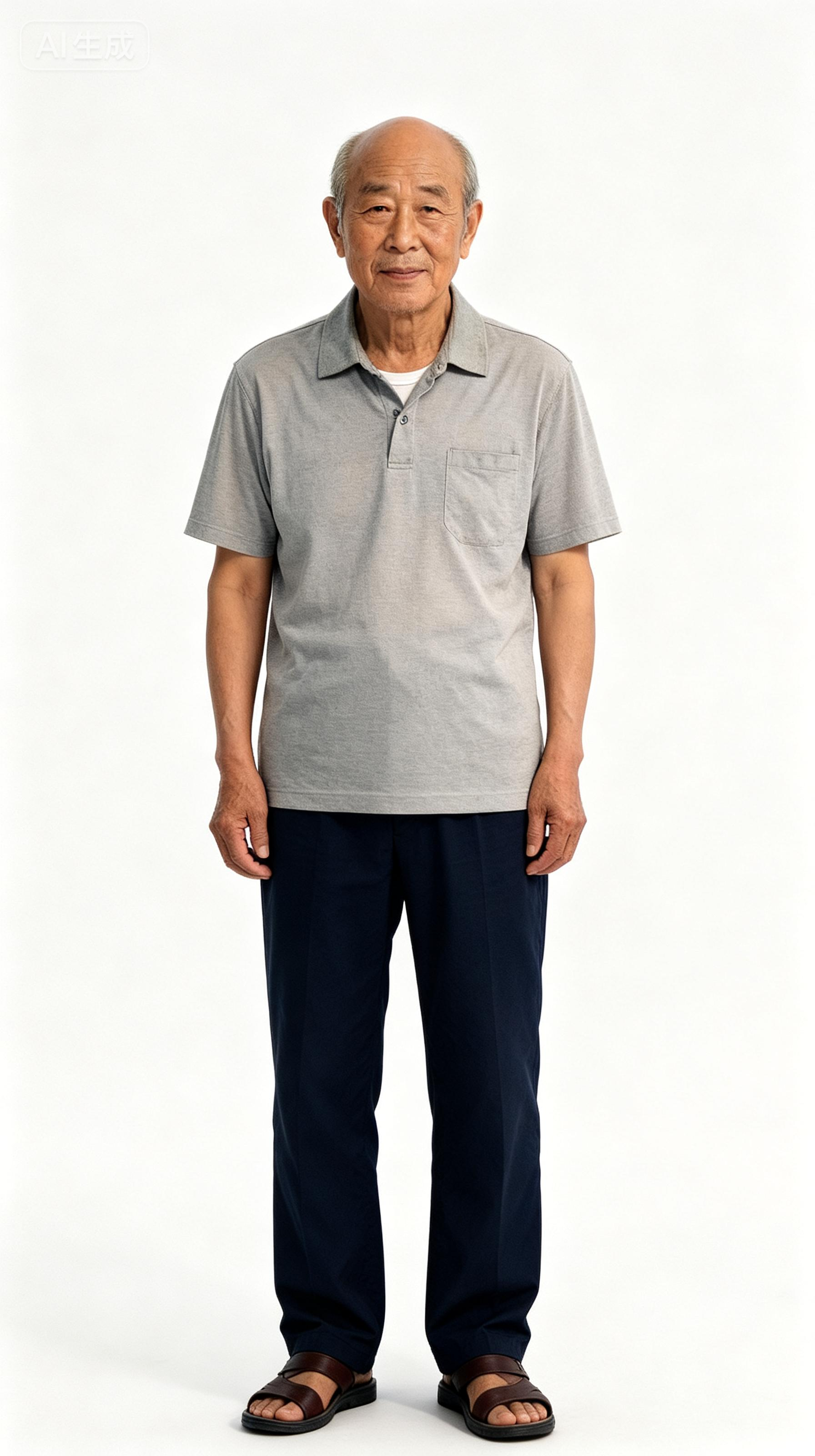
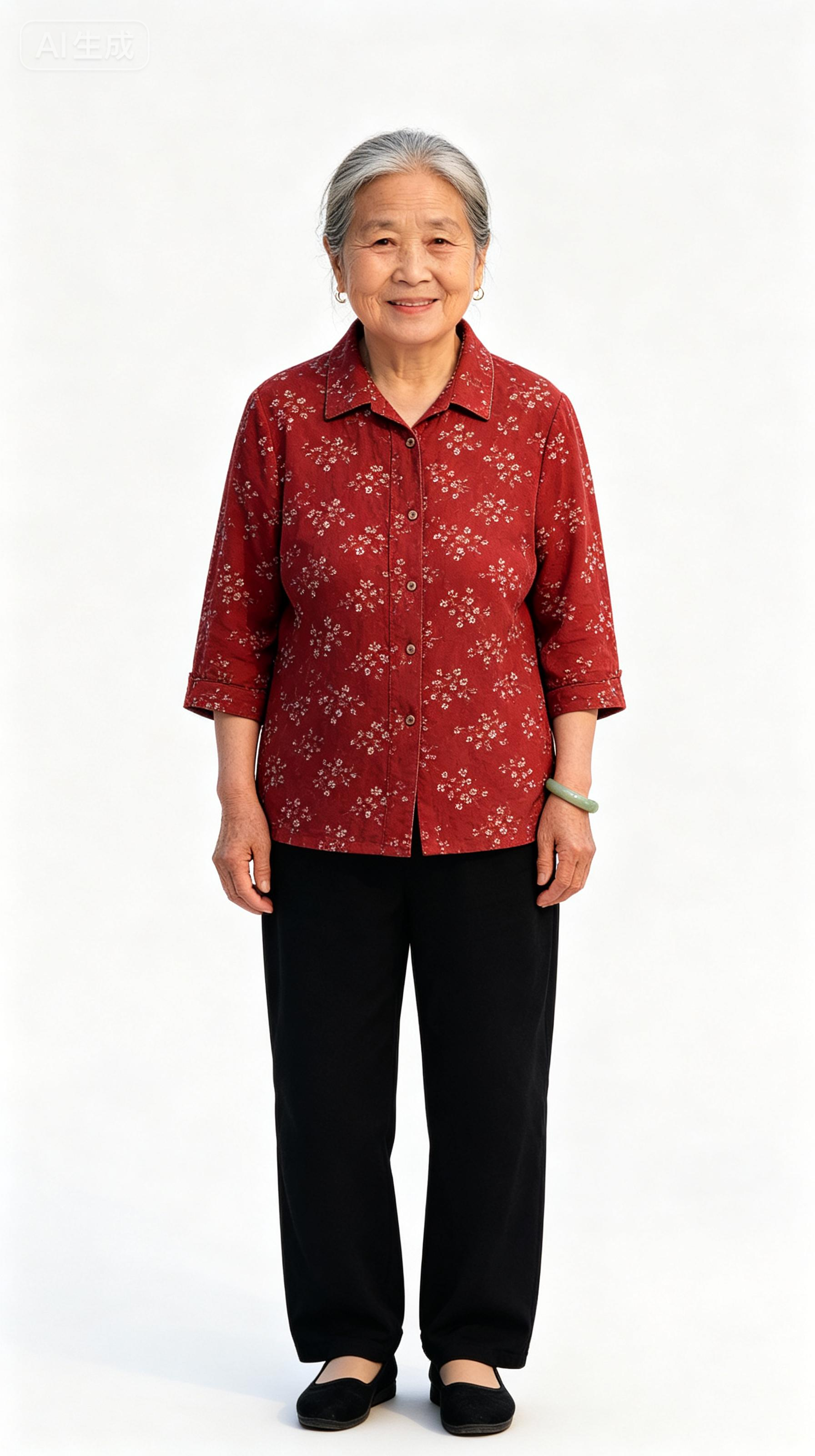
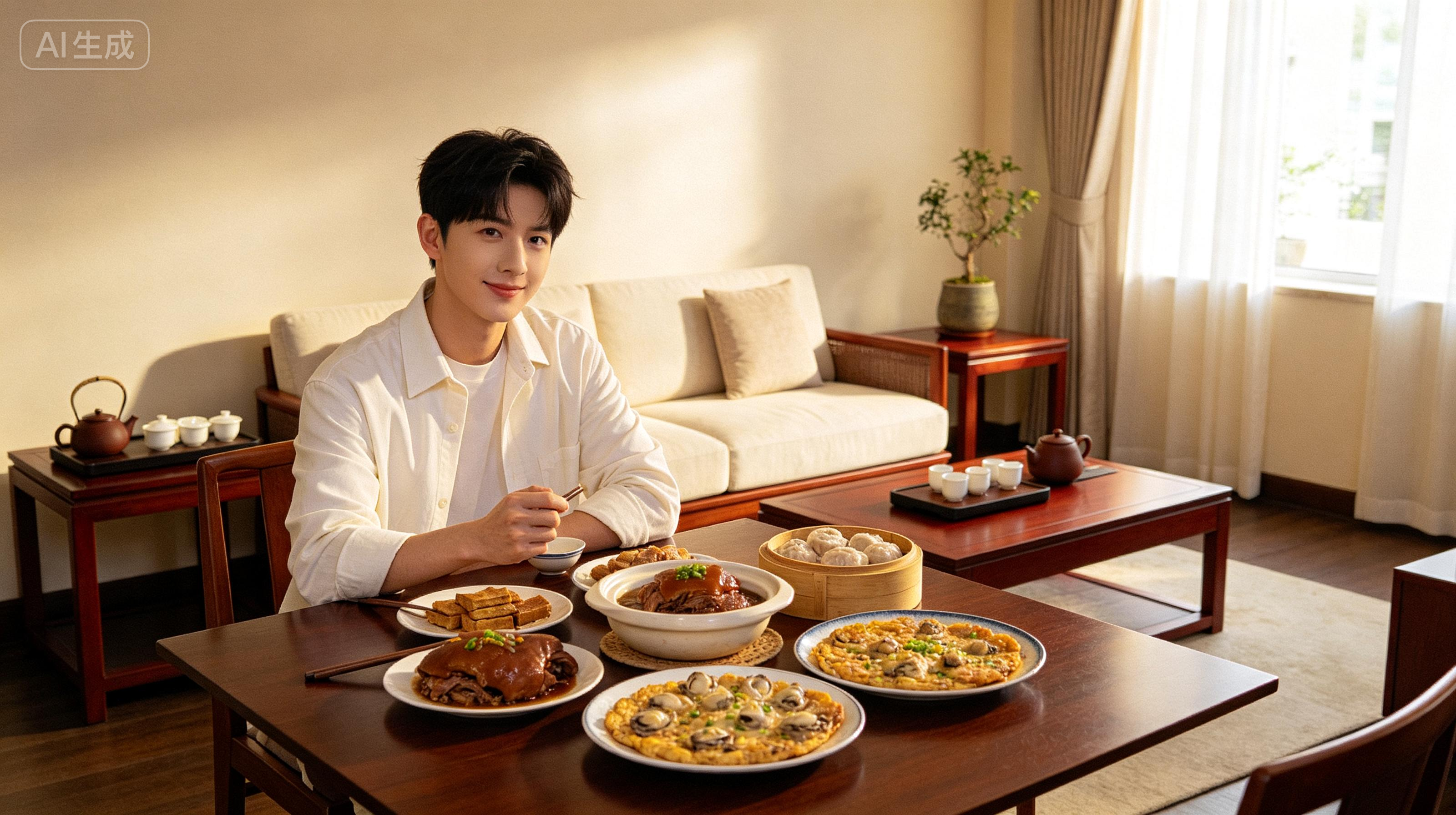
Here are the character design sheets Jimeng generated for the seven characters in Tales of Two Cities. The two leads, Lin Zhe and Su Xiao, each have multiple variants — Jimeng locks one and reuses it to keep faces consistent across storyboard videos.
Lin Zhe (male lead) — 3 variants
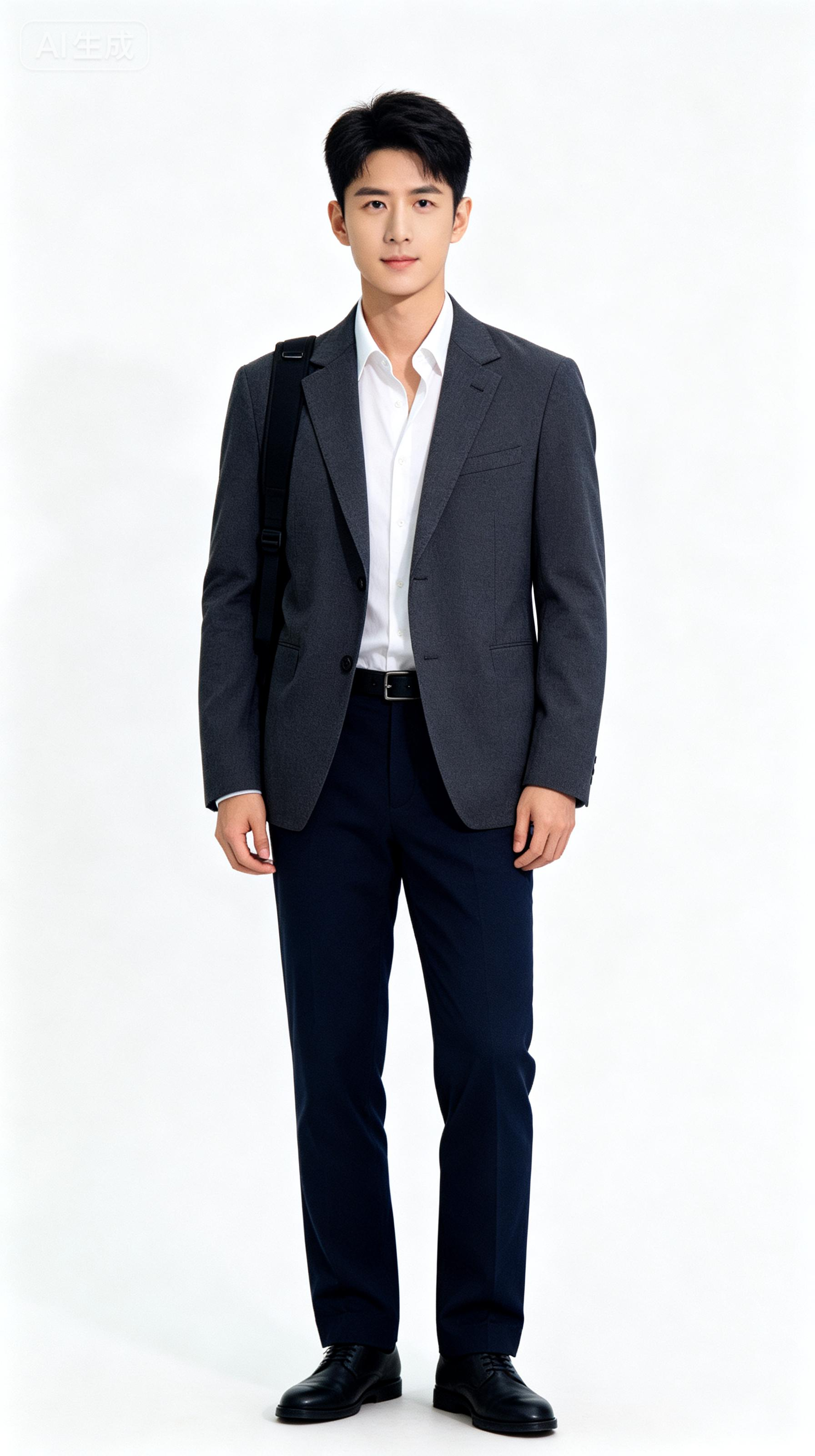
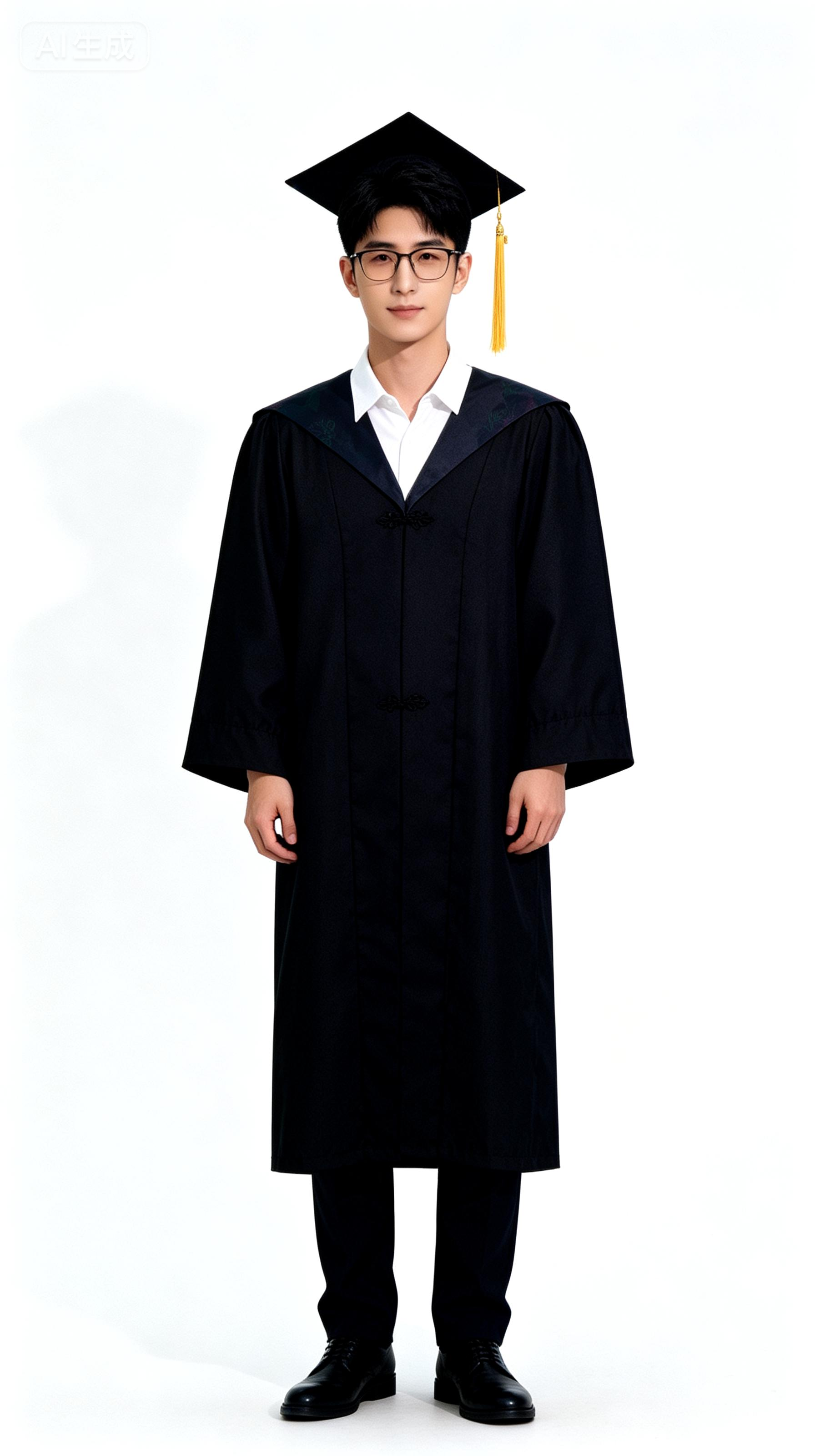
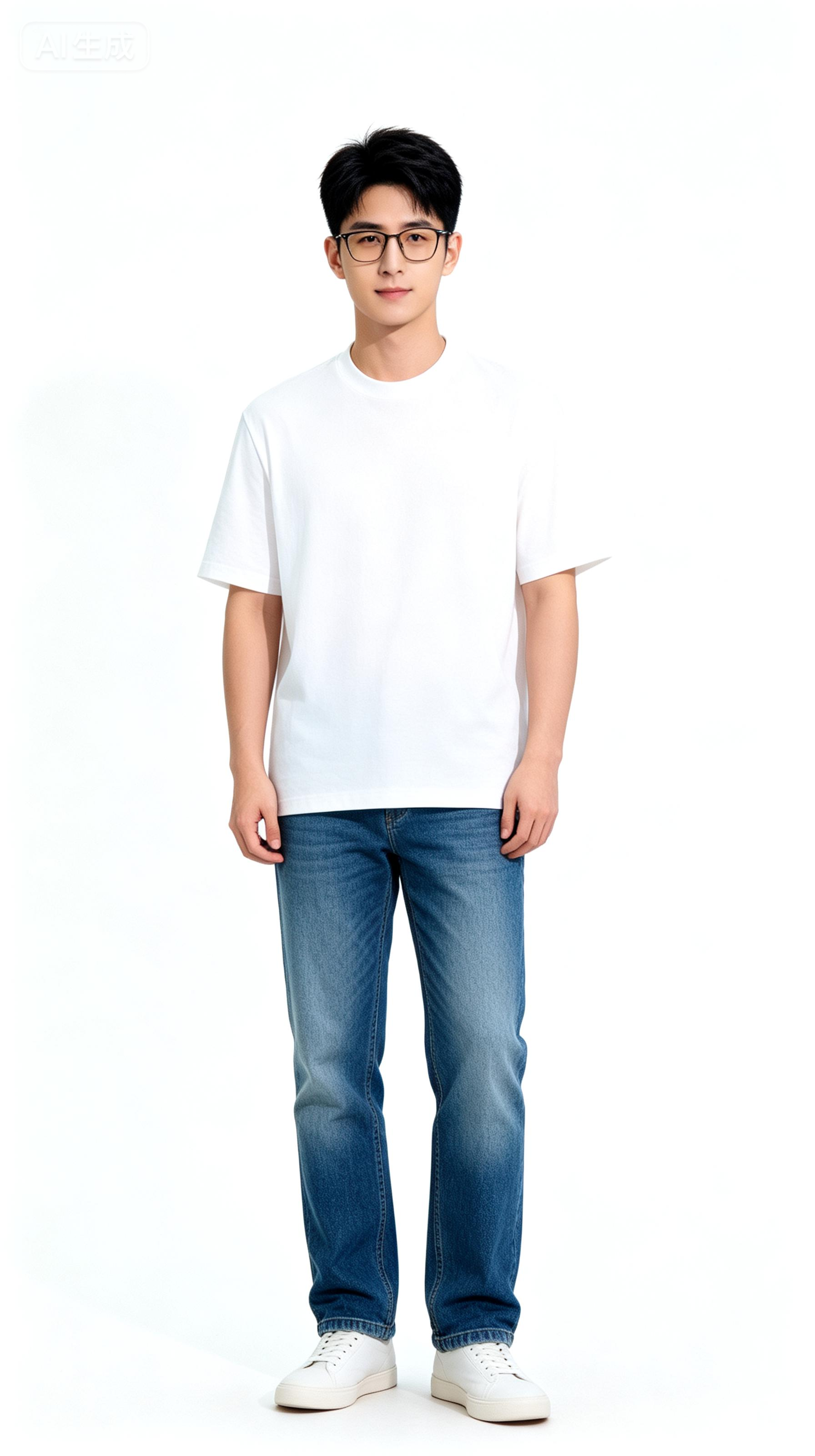
Su Xiao (female lead) — 5 variants
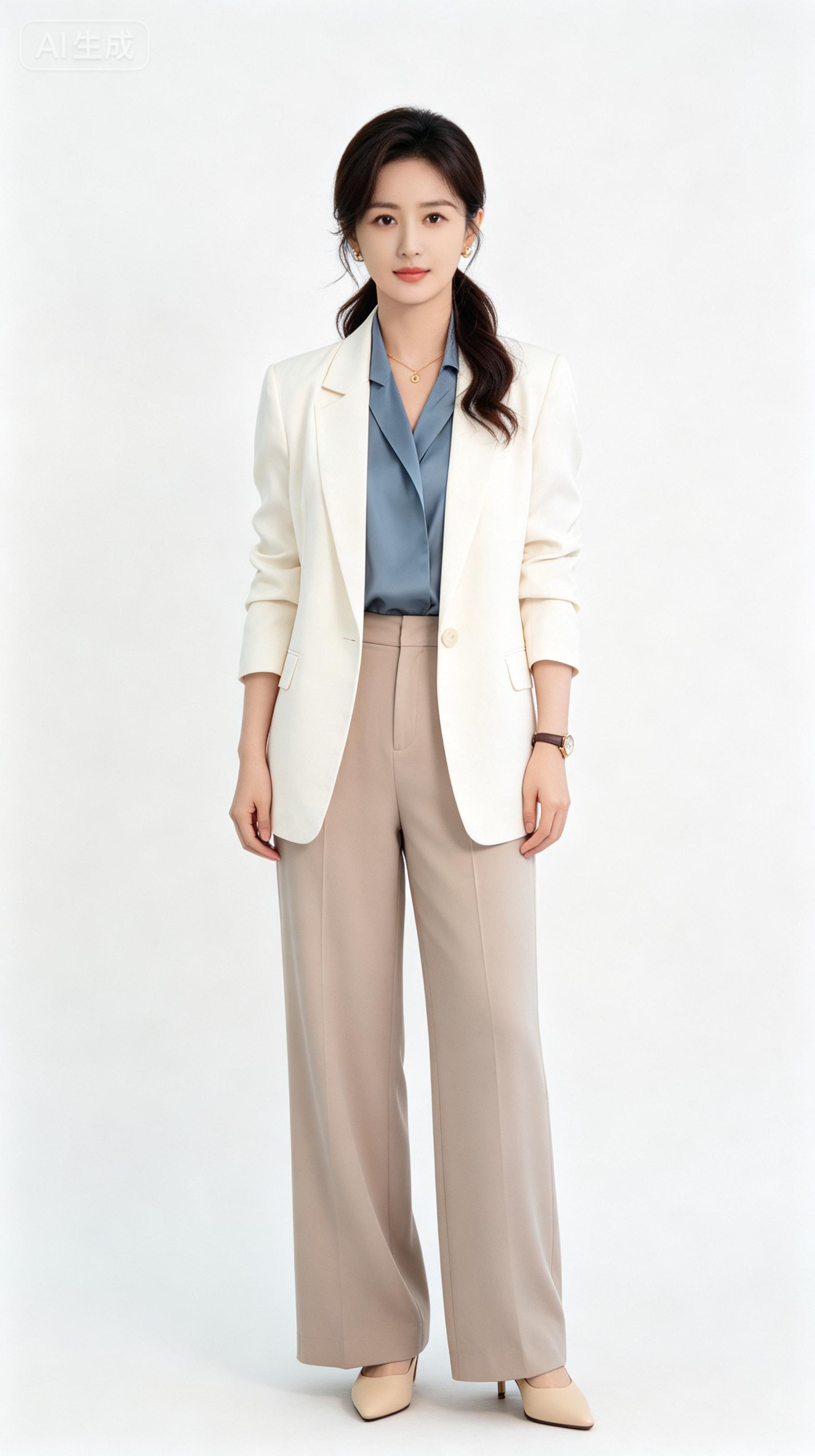
Supporting characters
Scene design sheets
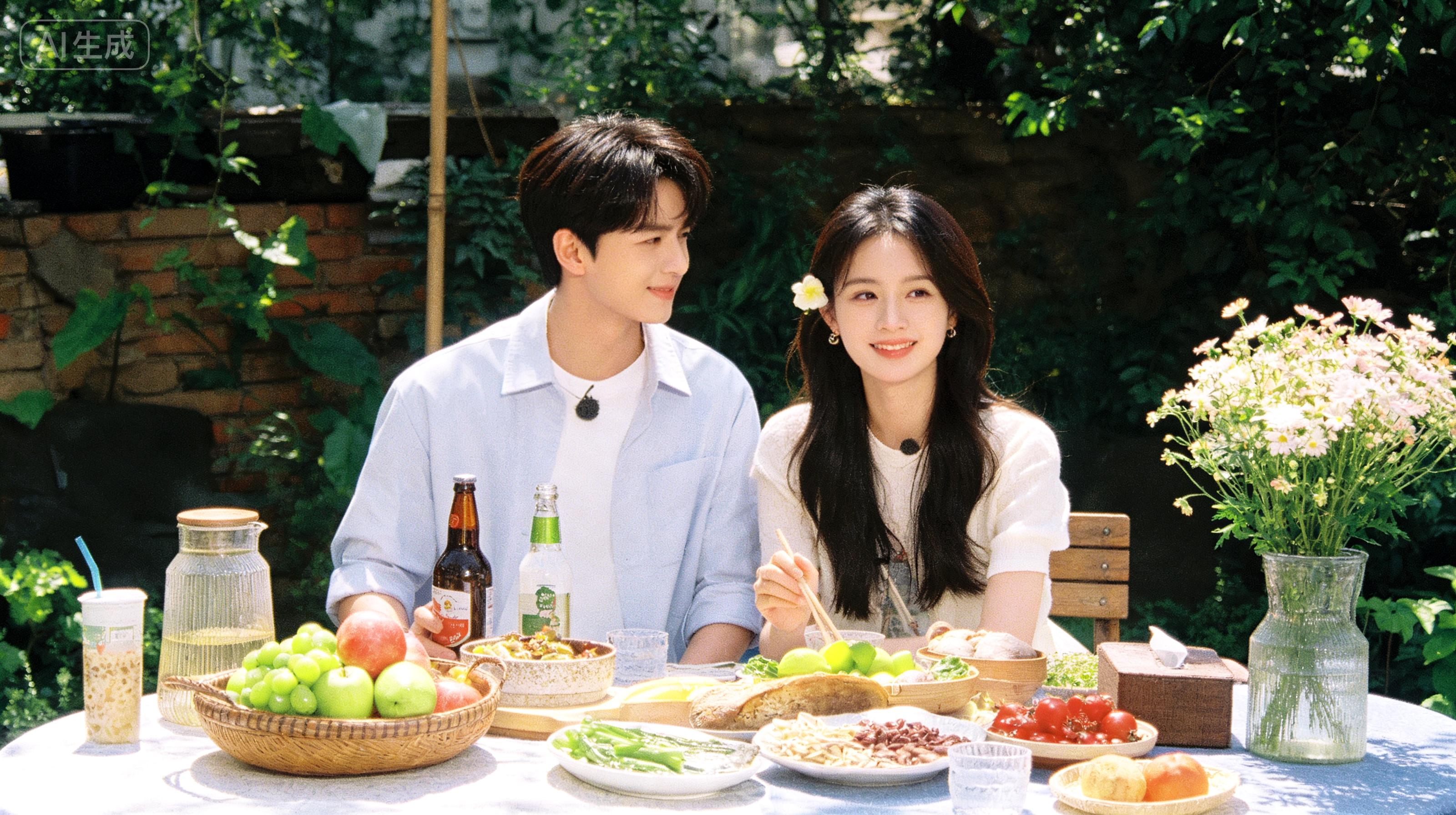
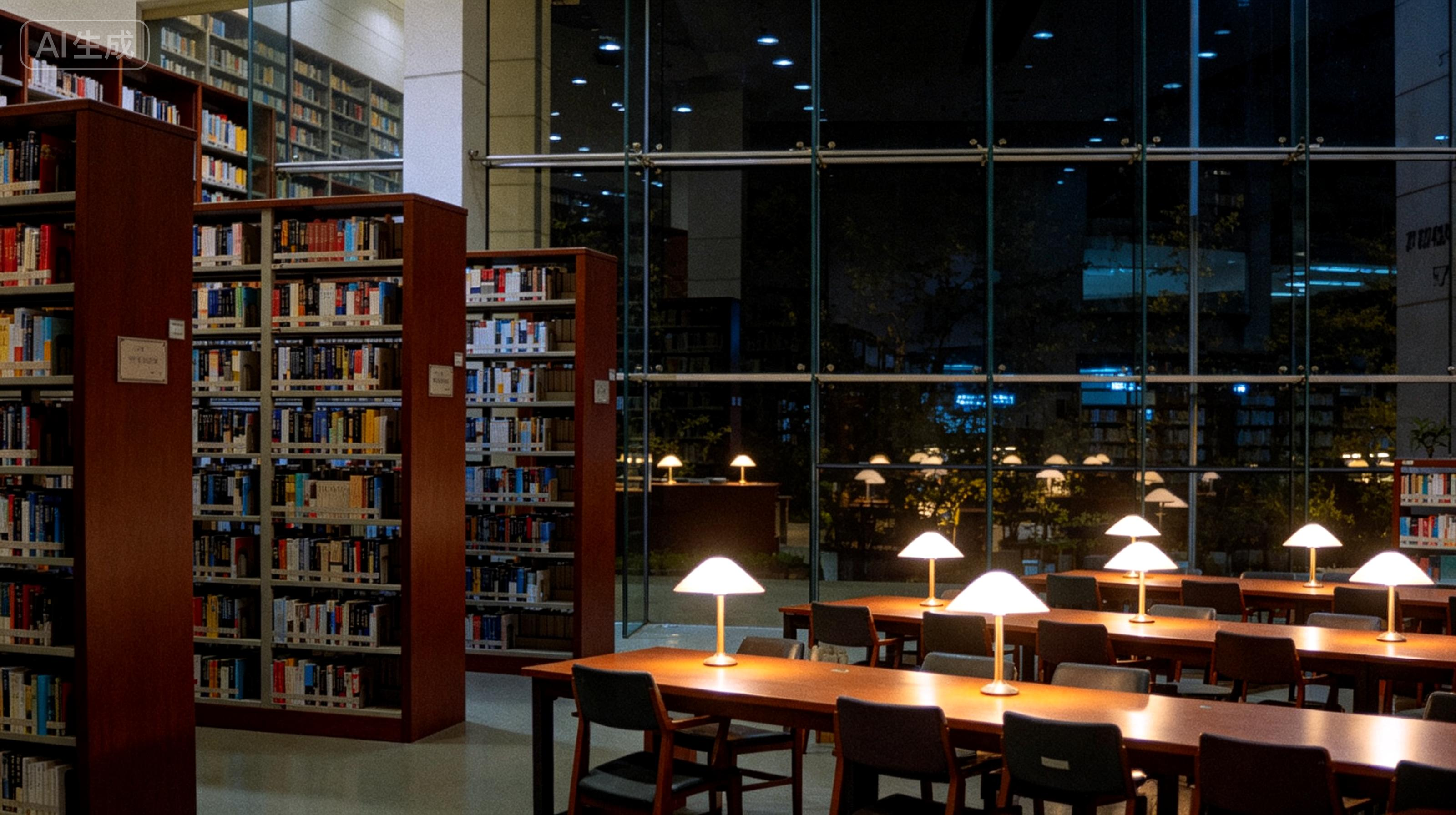
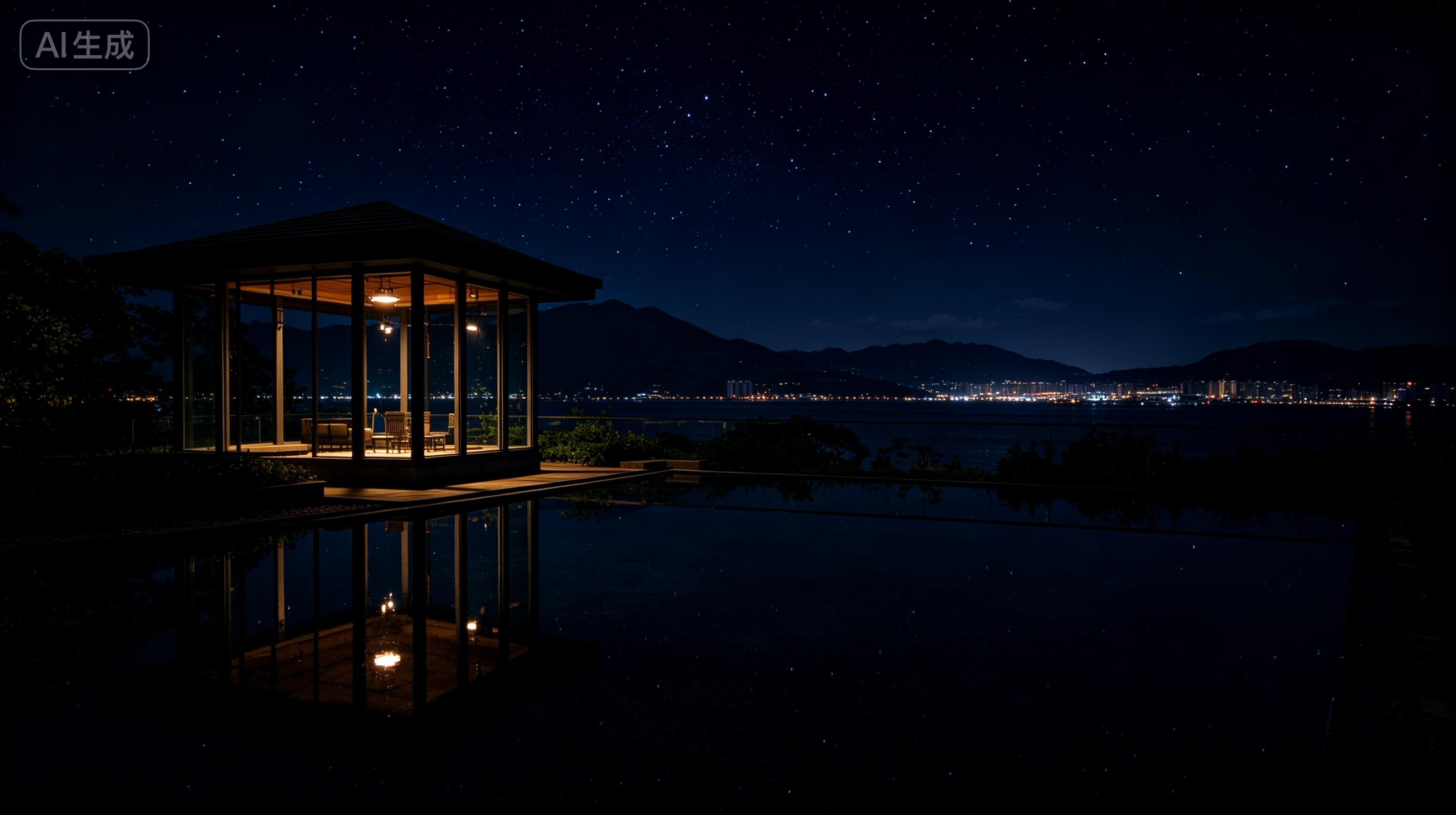
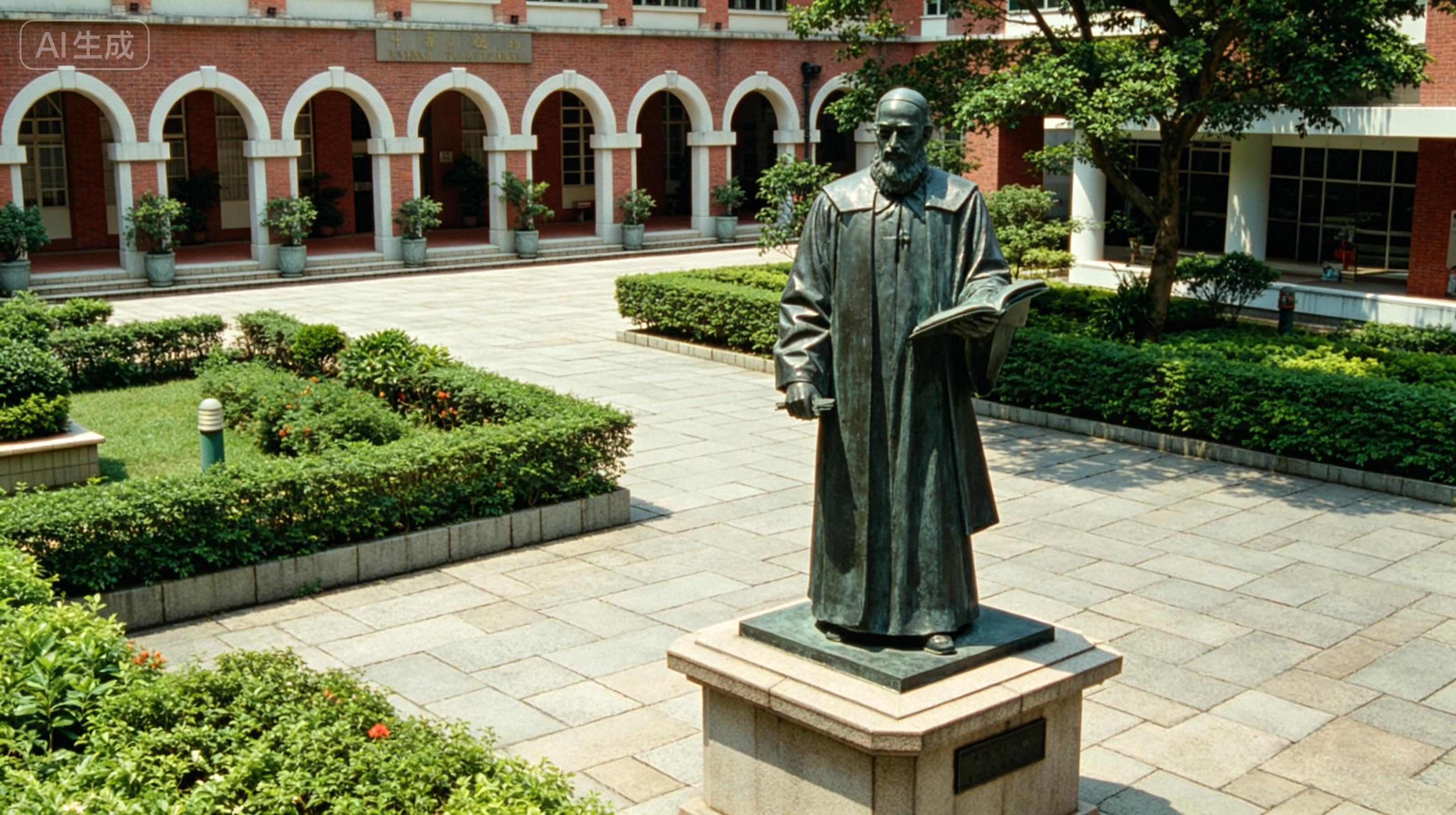
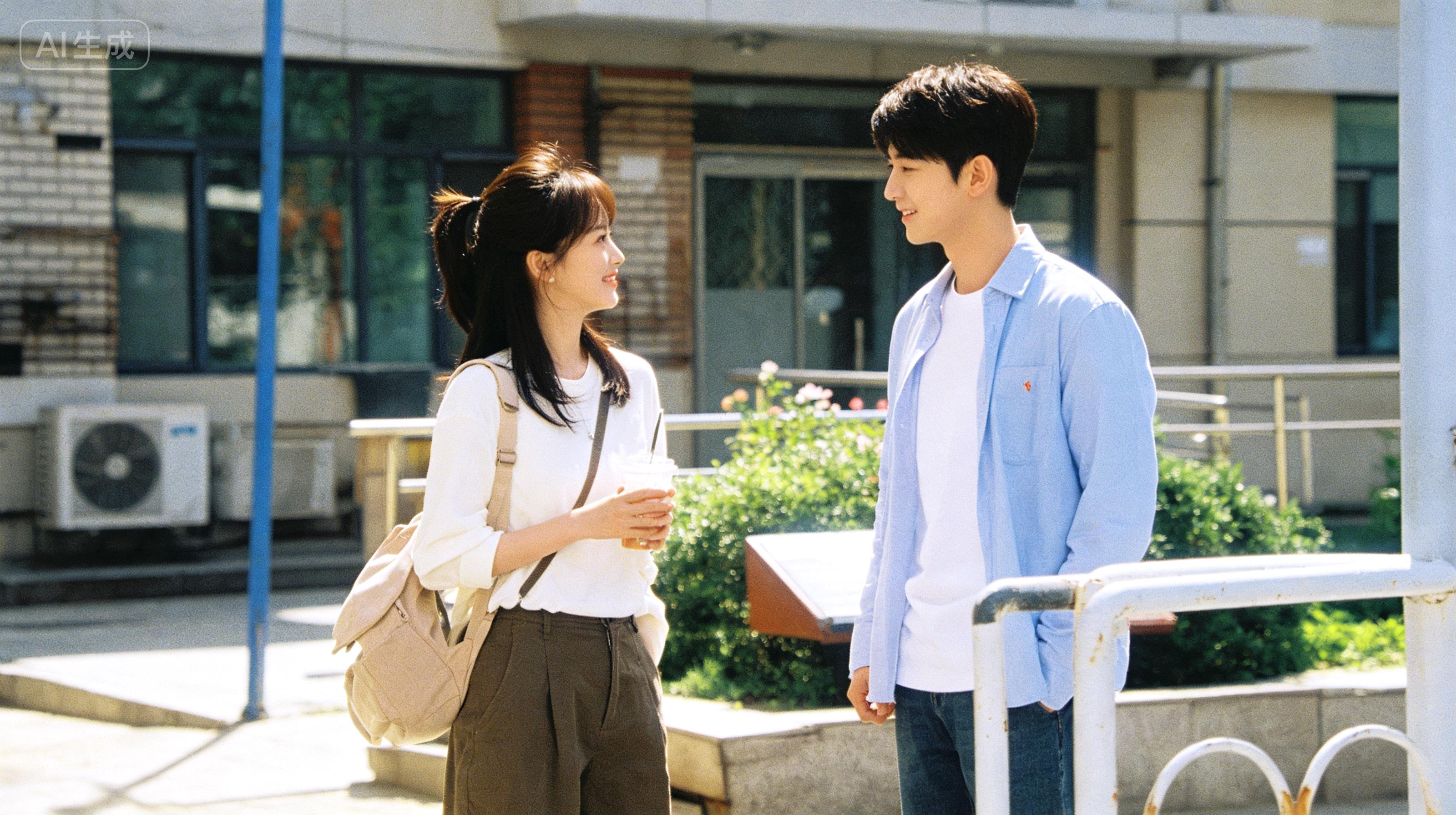
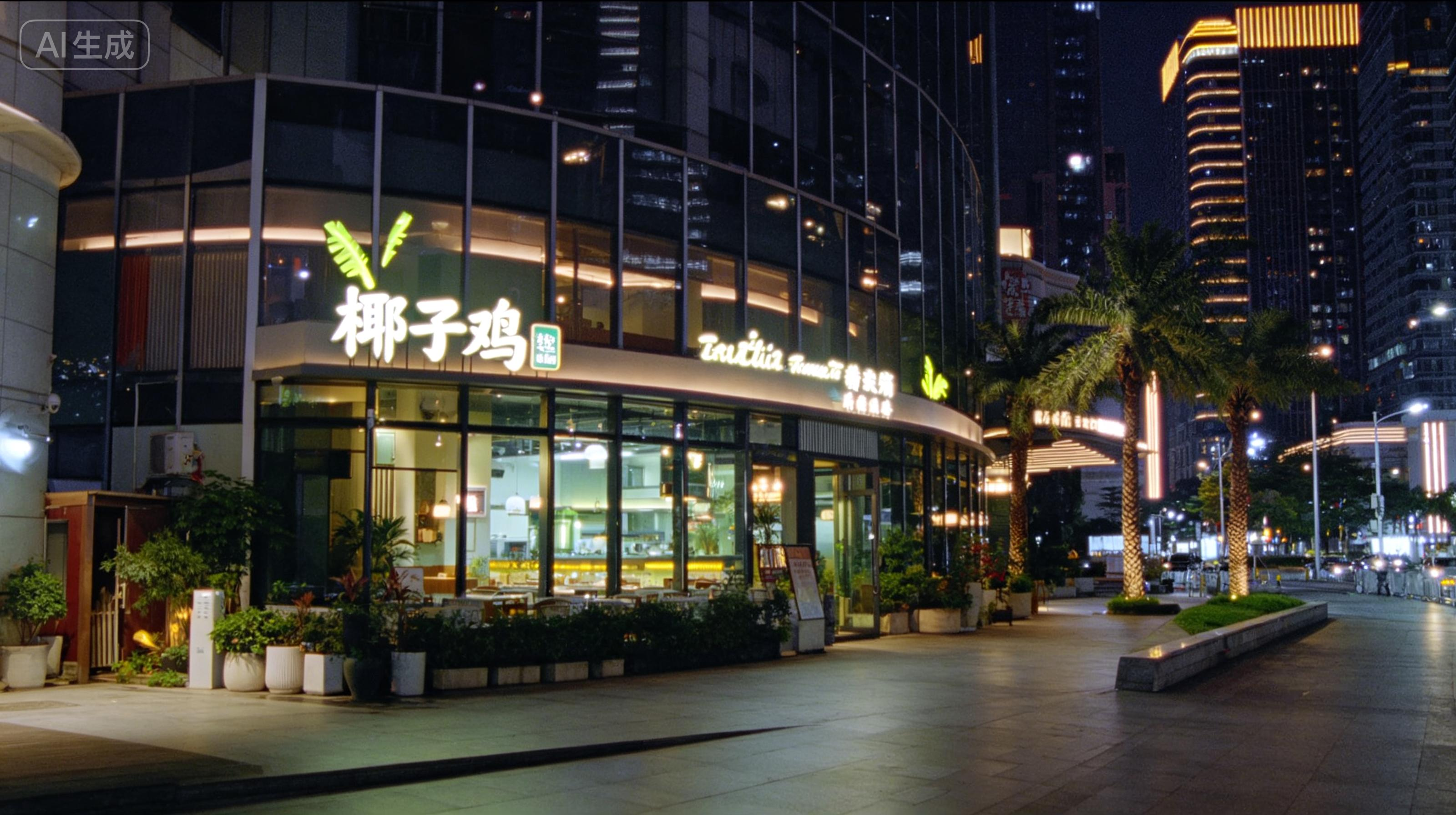
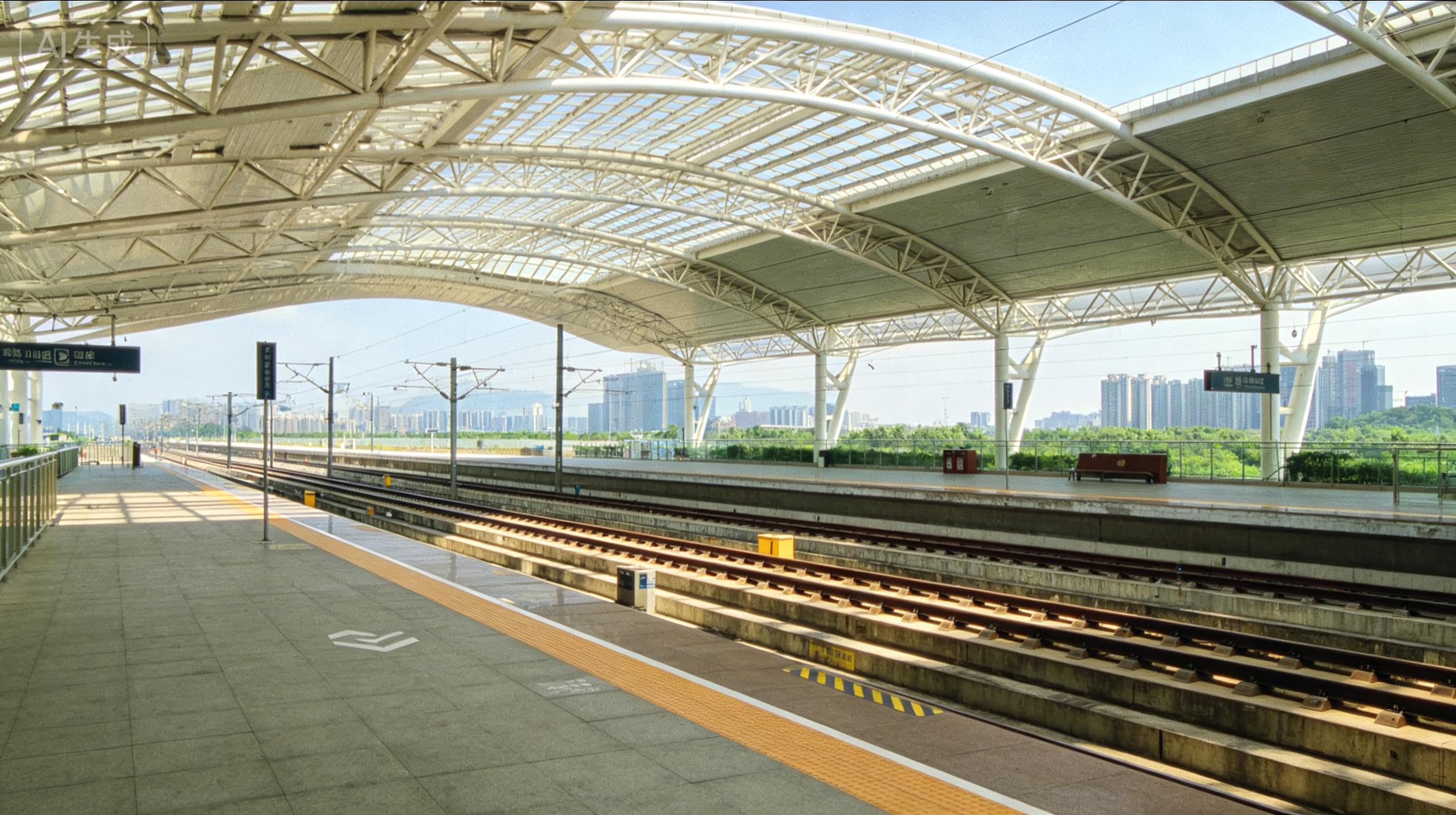
Jimeng also generated design sheets for all 26 scenes in Tales of Two Cities, grouped by theme below.
Hong Kong campus
Hong Kong landmarks
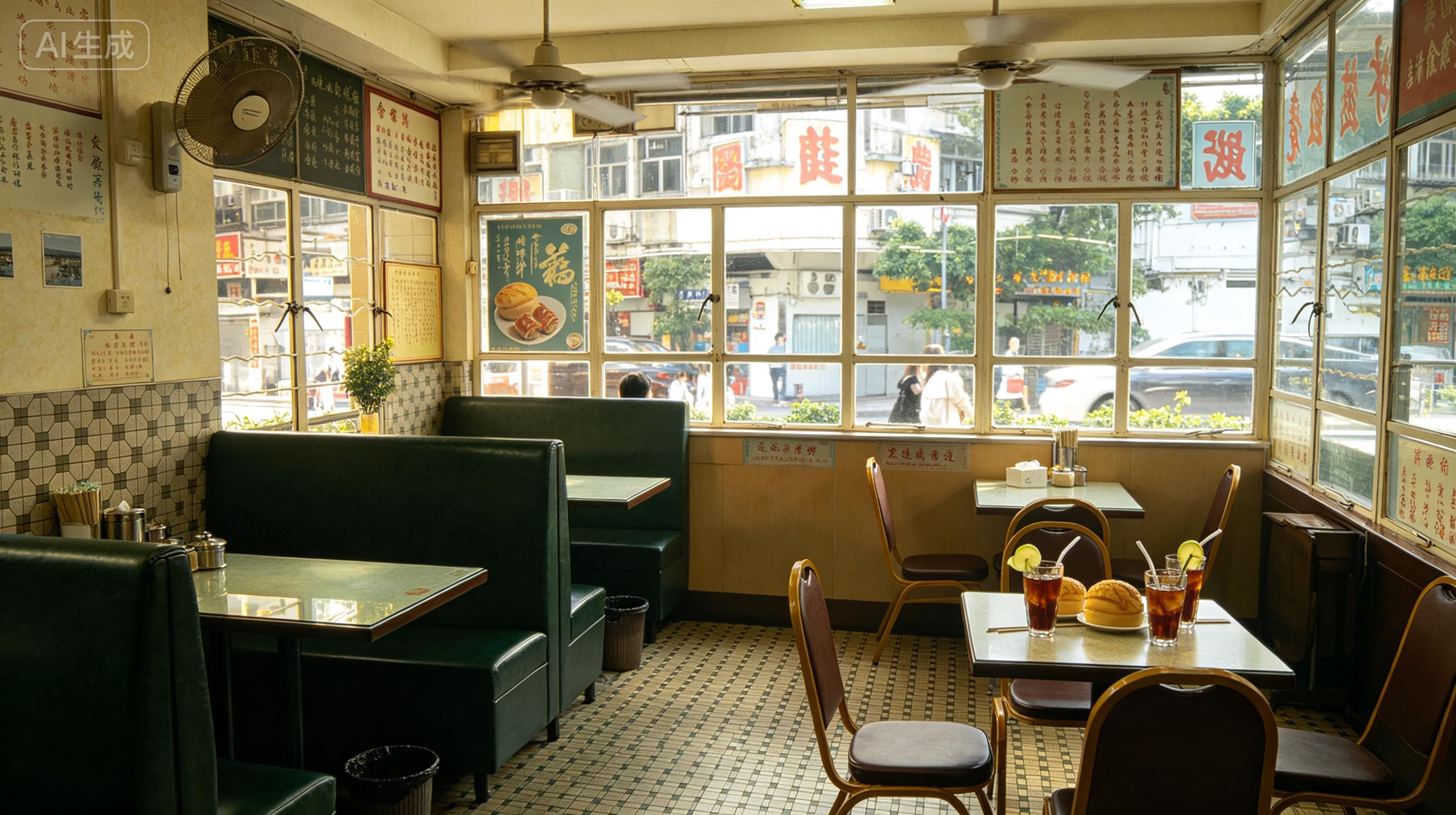
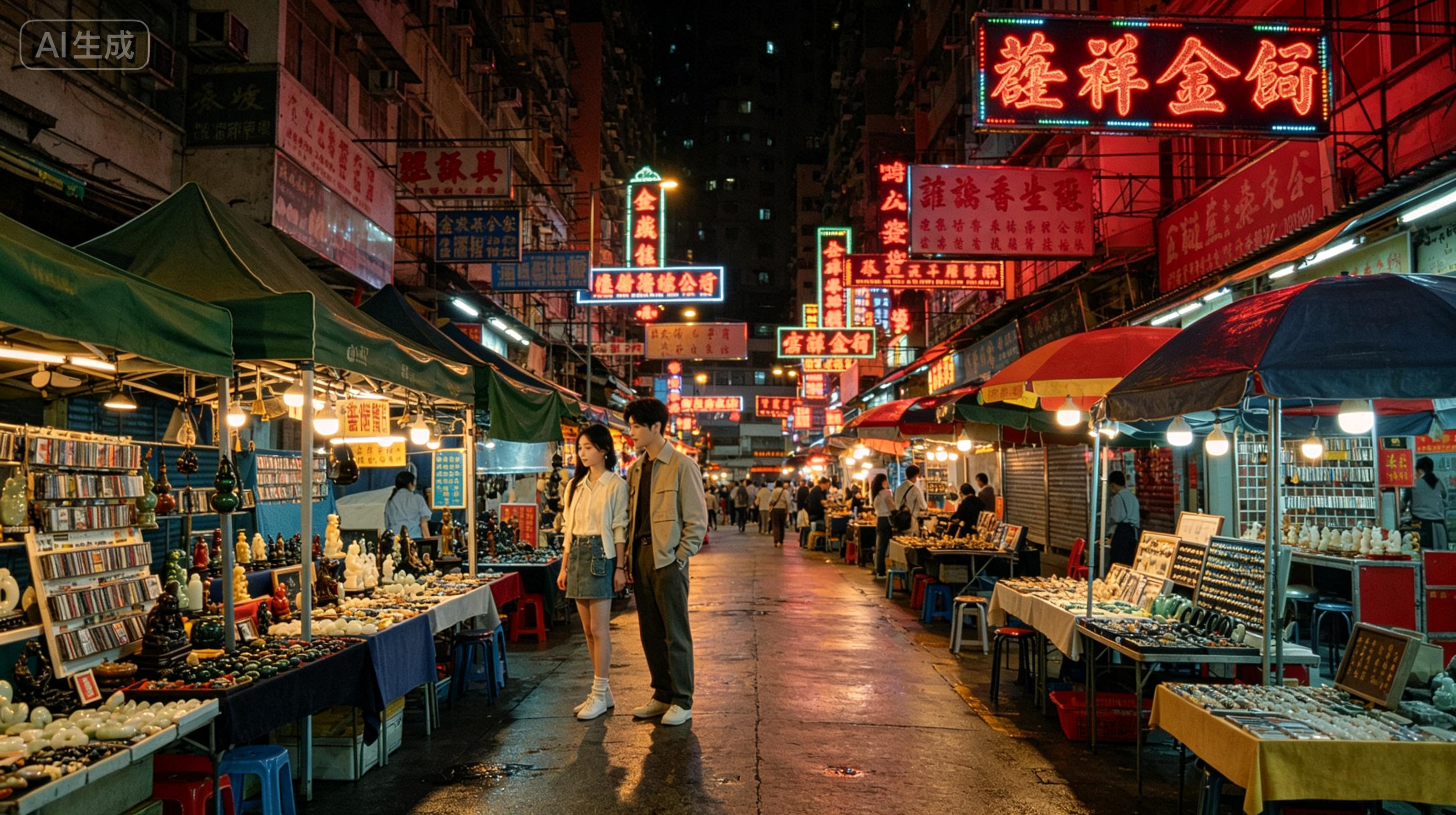
Split-screen & parallel editing
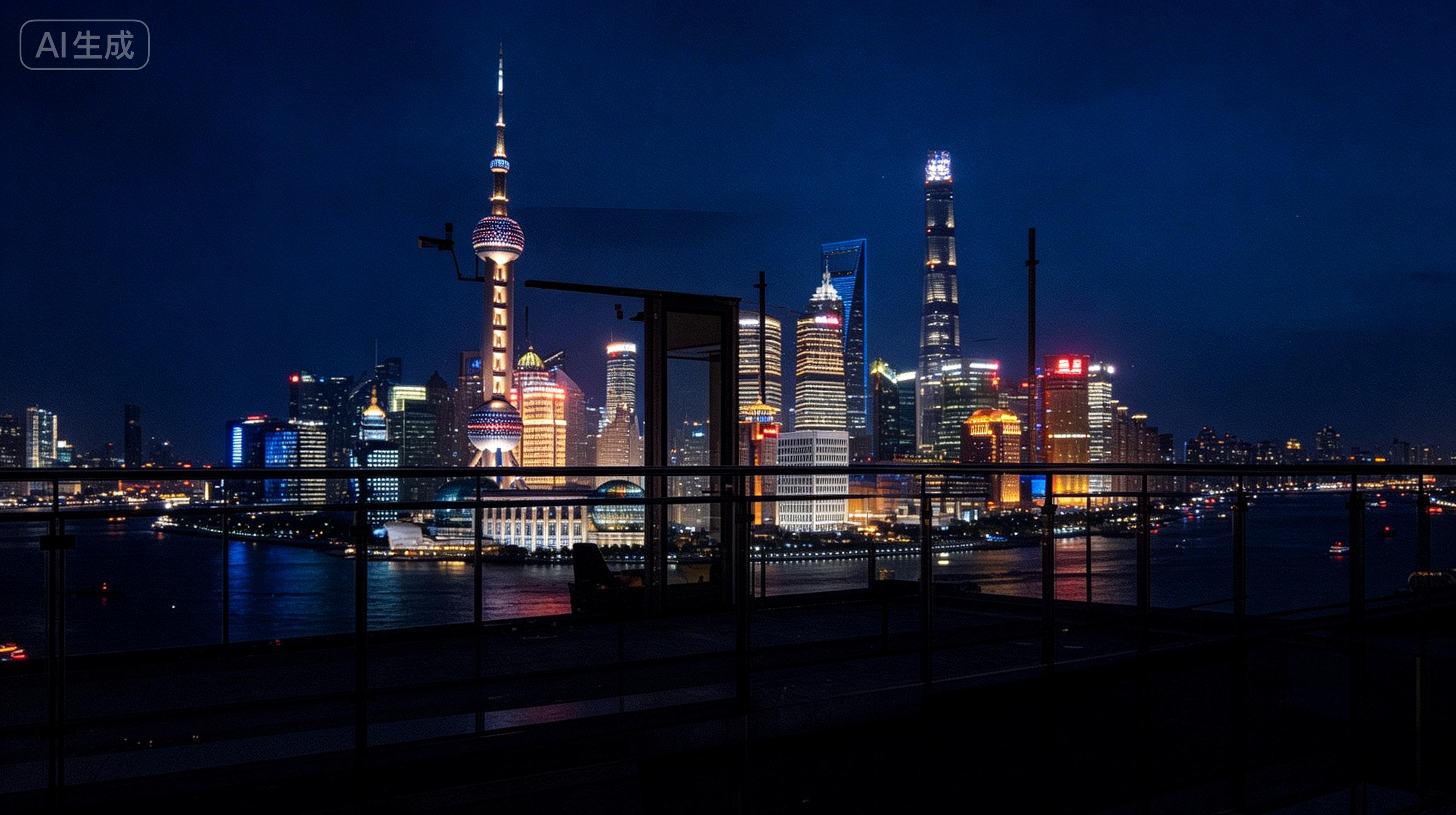
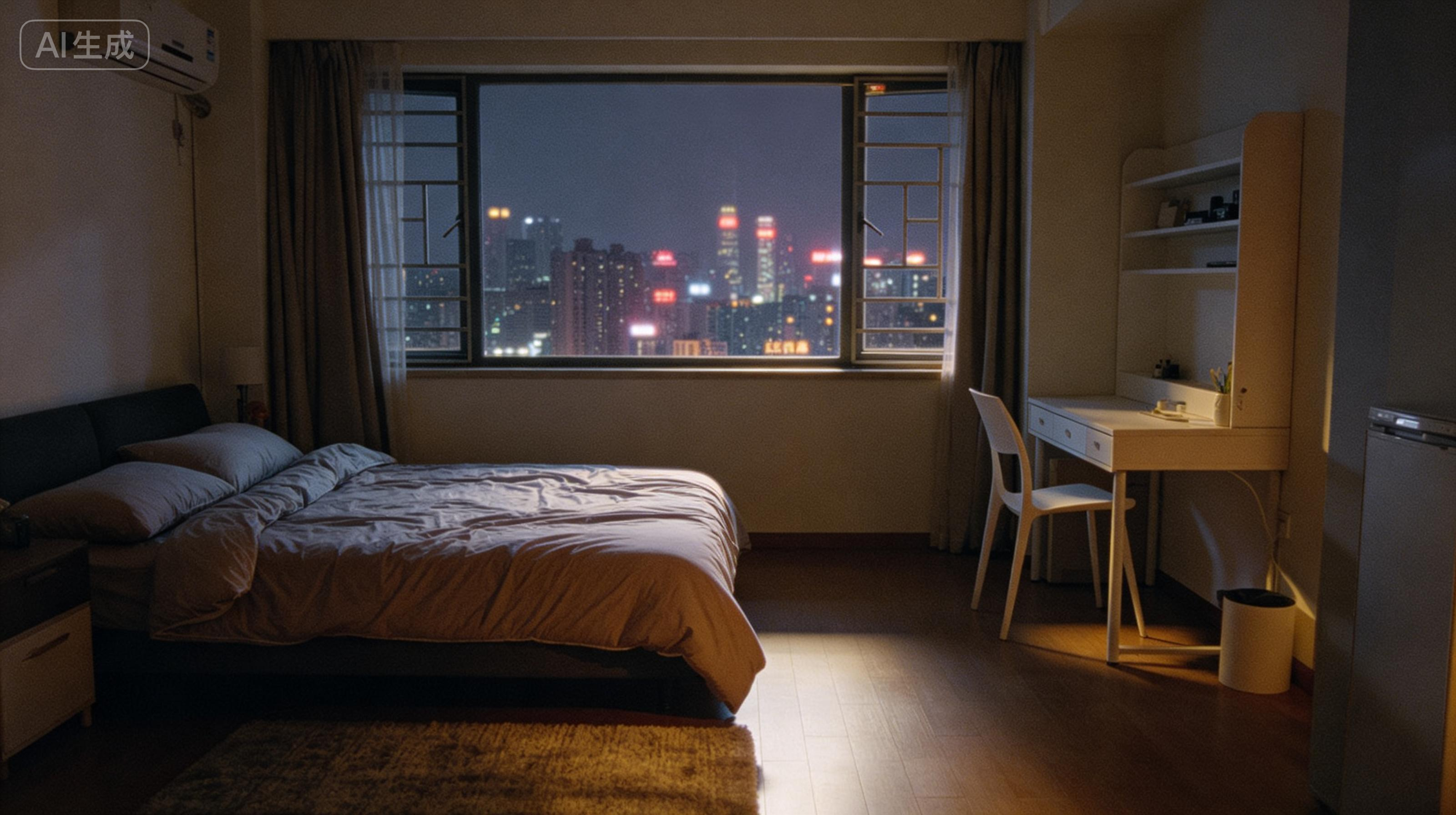
Shenzhen · Shanghai
Chaoshan hometown
Other scenes